2025 was anything but predictable. For many designers, it was a year of constant recalibration, responding to fleeting aesthetics while staying rooted in a recognisable design voice. Verena Lim, studio owner of Naim Design Studio navigated this tension with sensitivity and intention, adapting without dilution.
Rather than chasing relevance, she leaned into discernment, knowing when to evolve, and when to hold firm.
“The challenge wasn’t about keeping up. It was about staying honest to a design language while responding to the moment.”
That clarity allowed her to work meaningfully with homeowners who were quietly bold — clients open to colour, nuance, and ideas that didn’t always fit neatly into social-media formulas.
View this post on Instagram
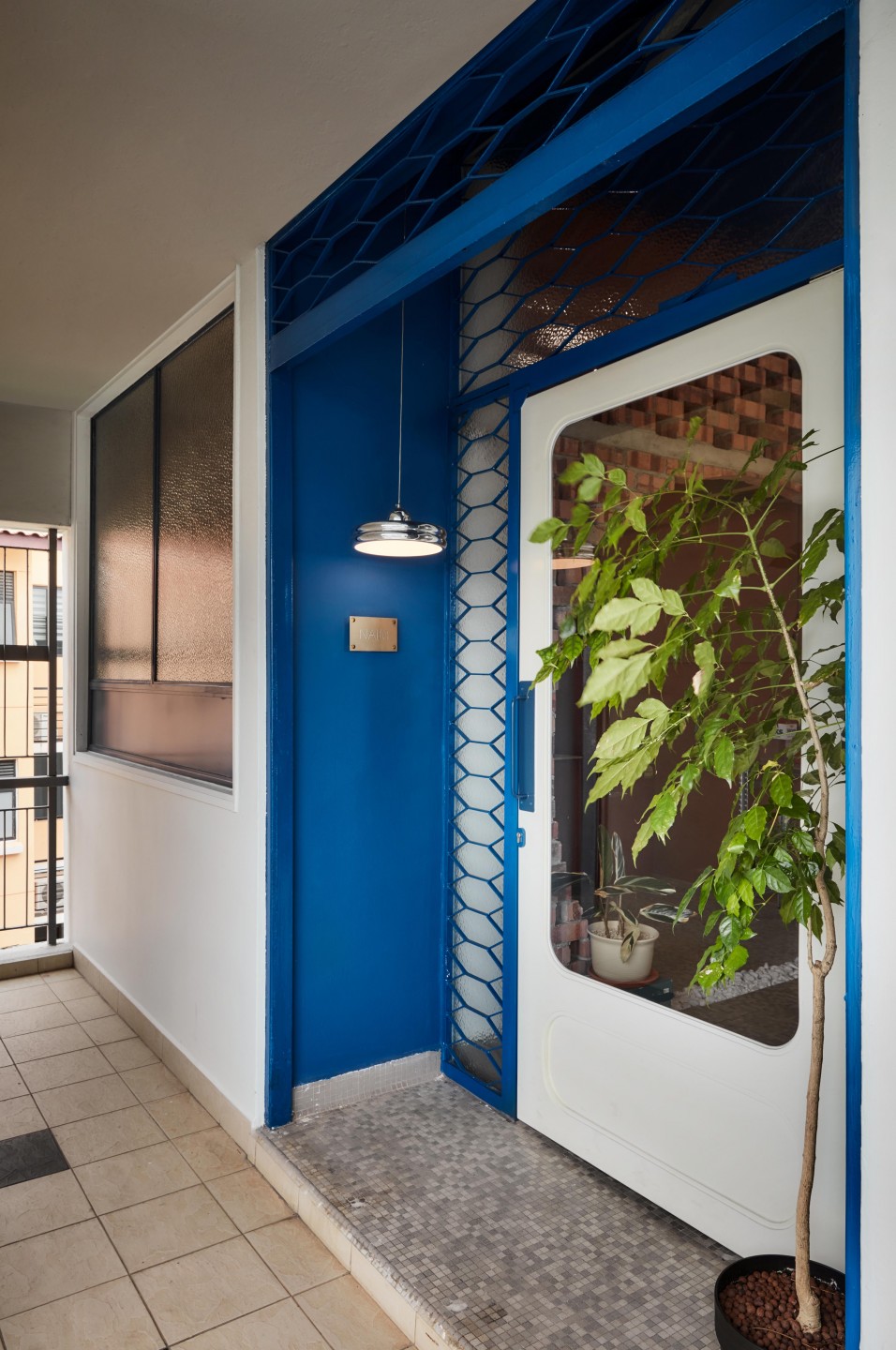
Verena’s practice embraces daring choices in colour and texture, guided by a strong instinct for balance. Bold yet considered, her work is expressive without being overwhelming — confident, liveable, and unmistakably distinctive.
Where Collaboration Took Centre Stage
What stood out most in 2025 was the spirit of co-creation that defined many of Verena’s projects. Homeowners arrived not just with references, but with opinions, curiosities, and a willingness to explore.
Some proposed palettes that surprised even the designer, and that was precisely where the magic happened.
“The best projects this year felt like conversations, ideas passing back and forth until something personal emerged,” Verena adds.
This collaborative energy became a hallmark of the studio’s work, resulting in homes that felt expressive yet deeply grounded in the people who live in them.
Pushing Boundaries, Quietly
Creatively, the year delivered highs. More clients were willing to step outside conventional comfort zones, giving the studio space to experiment, refine, and stand apart. Each project felt like an opportunity, not to be different for difference’s sake, but to design with conviction.
Yet the realities of the market were impossible to ignore. The interior design industry is more saturated than ever, with heightened visibility across social platforms and increasing pressure to conform to familiar aesthetics.
“Standing out comes with its own challenges — especially when your work isn’t designed to appeal to everyone.”
Layered onto this were rising material and labour costs, reshaping conversations around budget and value. Expectations had to be managed carefully, particularly as renovation costs no longer stretched as far as they once did.
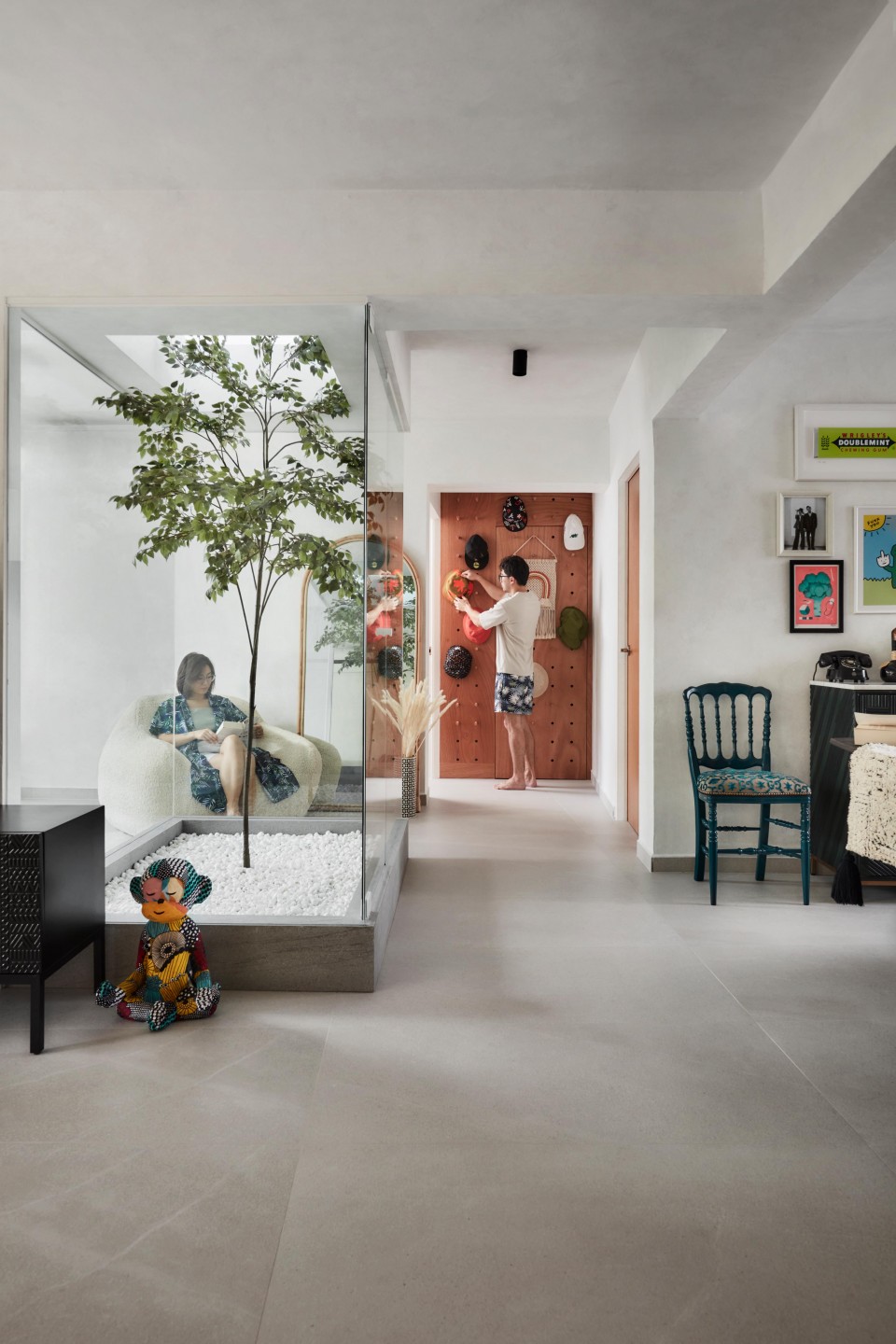
More than a visual statement, Project 101 reflects a design philosophy rooted in balance: expressive when the moment calls for it, grounded enough to invite slow living in between.
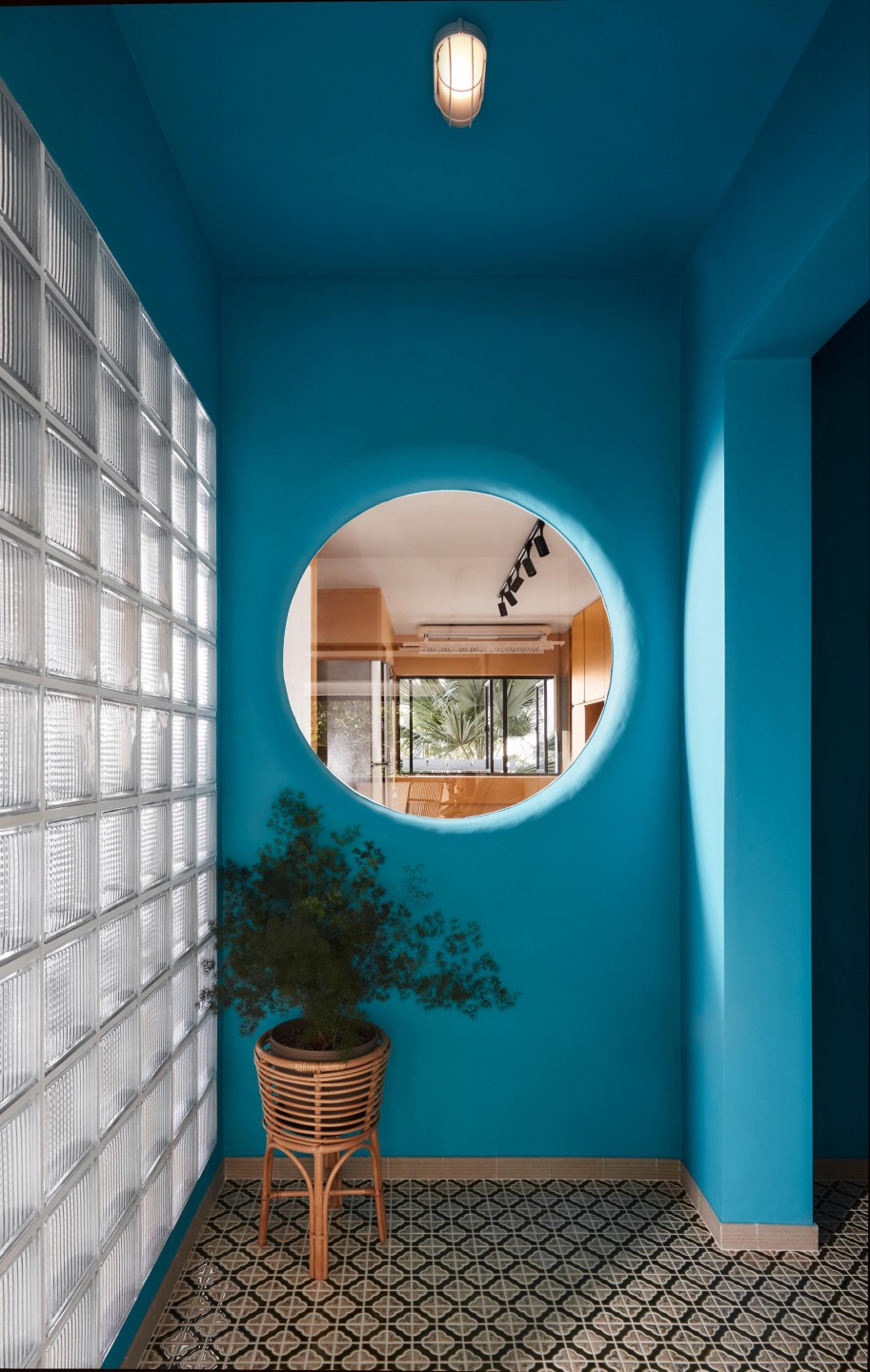
Bold colour takes the lead here, but never without intention. Expressive moments are balanced with serene, earthy tones, creating a home that feels confident yet calm. It’s a space where colour isn’t used for effect alone, but to shape mood, rhythm, and the way one moves through the home.
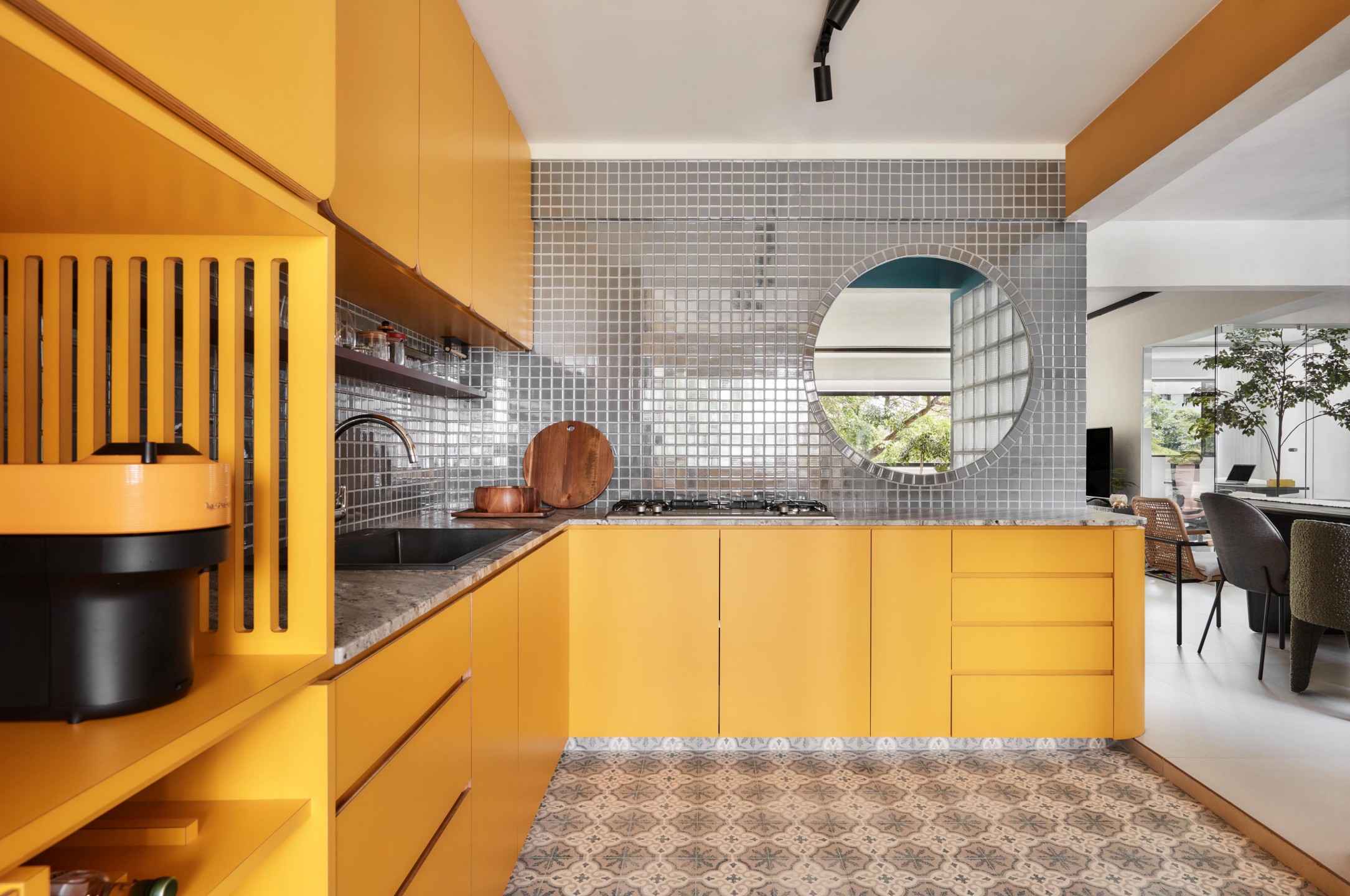
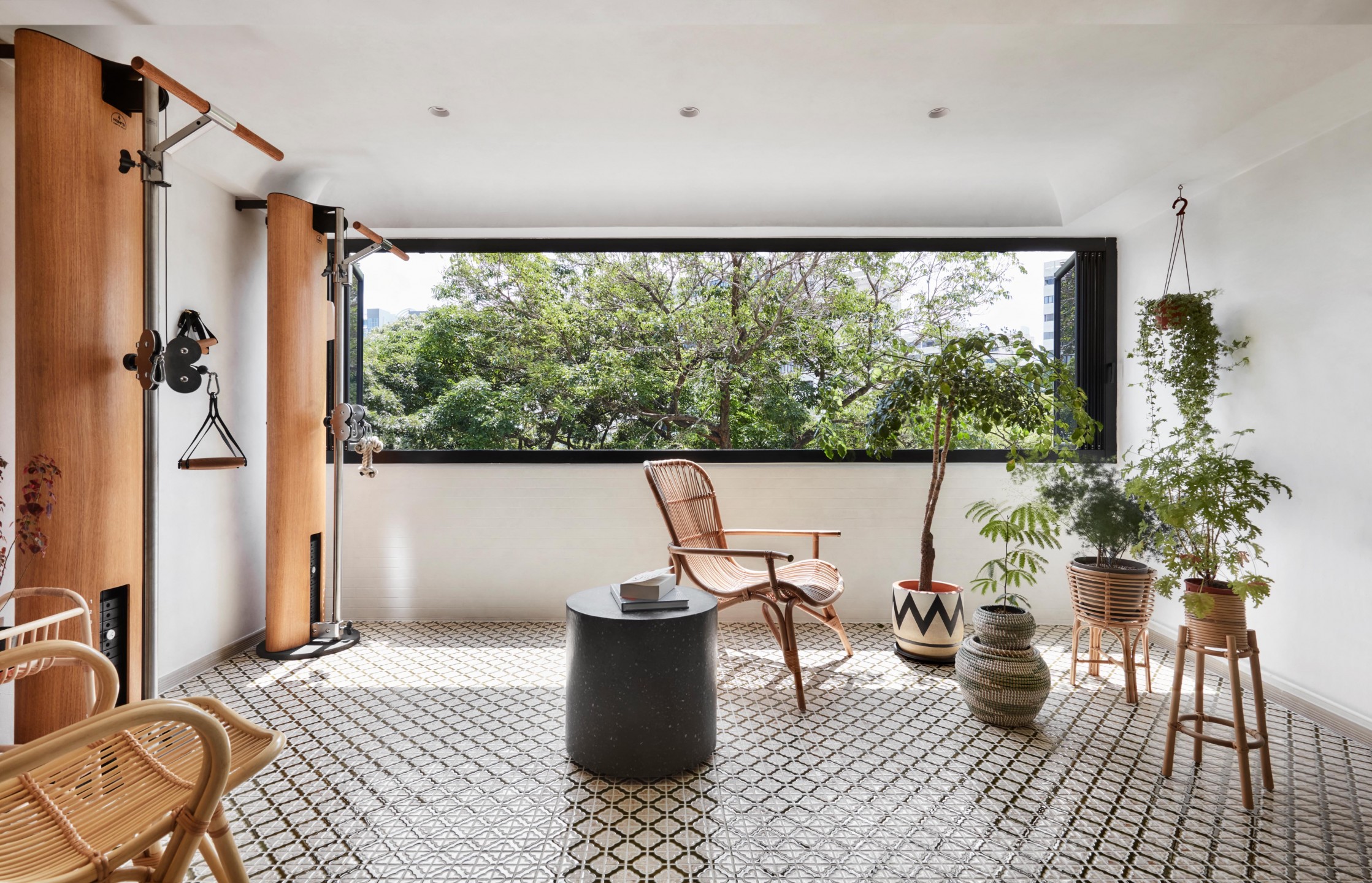
Project 101: A Studio in Microcosm
Among the year’s body of work, Project 101 stood out as a quiet manifesto for Naim.
Colourful yet controlled, expressive yet calming, the home reflects Verena’s belief that colour must be handled with intention. Serene, earthy tones temper bolder moments, creating a sense of balance and emotional ease.
The project mirrors the studio’s philosophy: confident when needed, restrained when it matters, and always anchored by warmth.
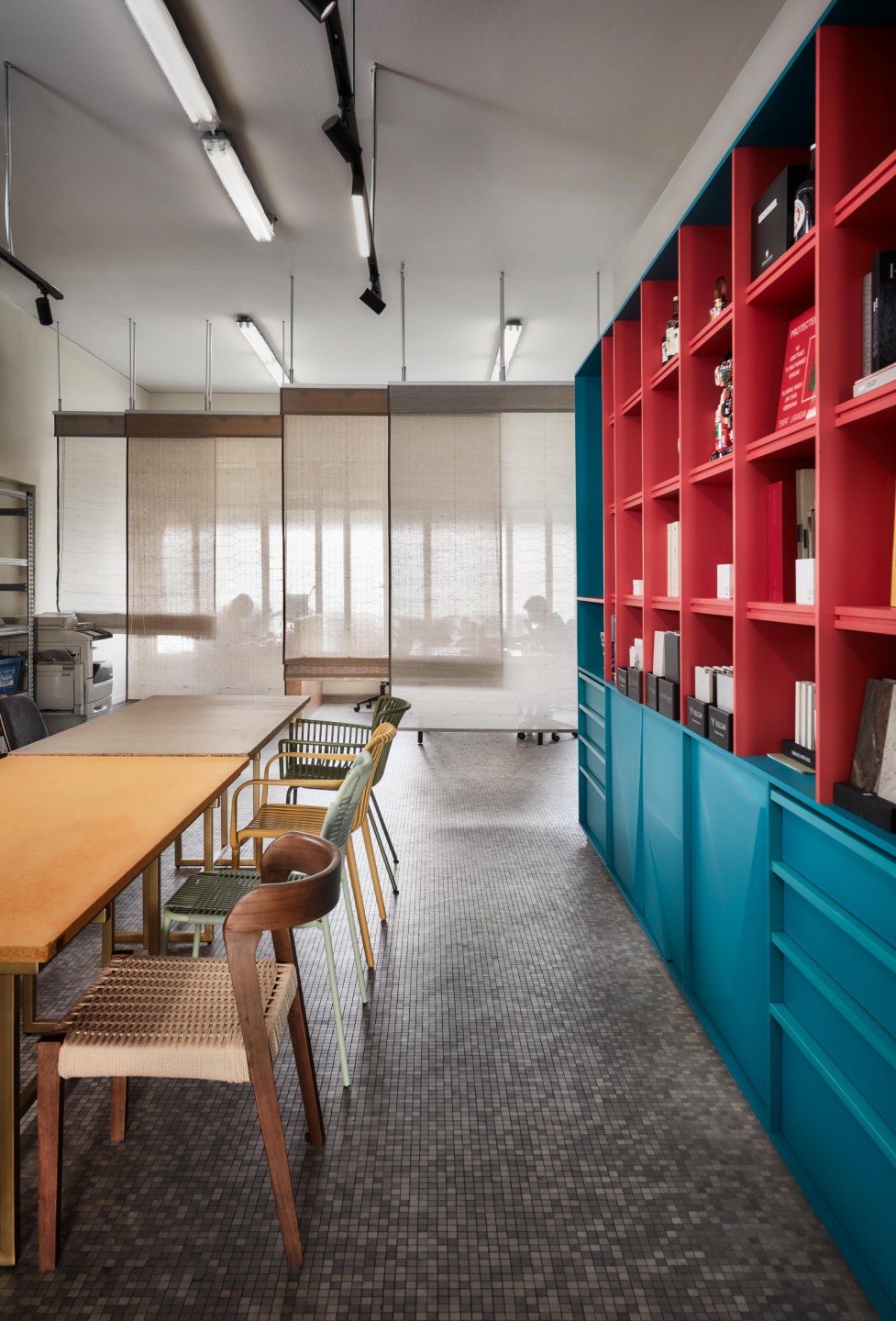
Her design philosophy carries through seamlessly into this commercial space — a confident exploration of colour and texture, guided by intention rather than restraint. Here, bold hues and layered materials are used without hesitation, yet always with balance in mind, shaping an environment that feels expressive but considered.
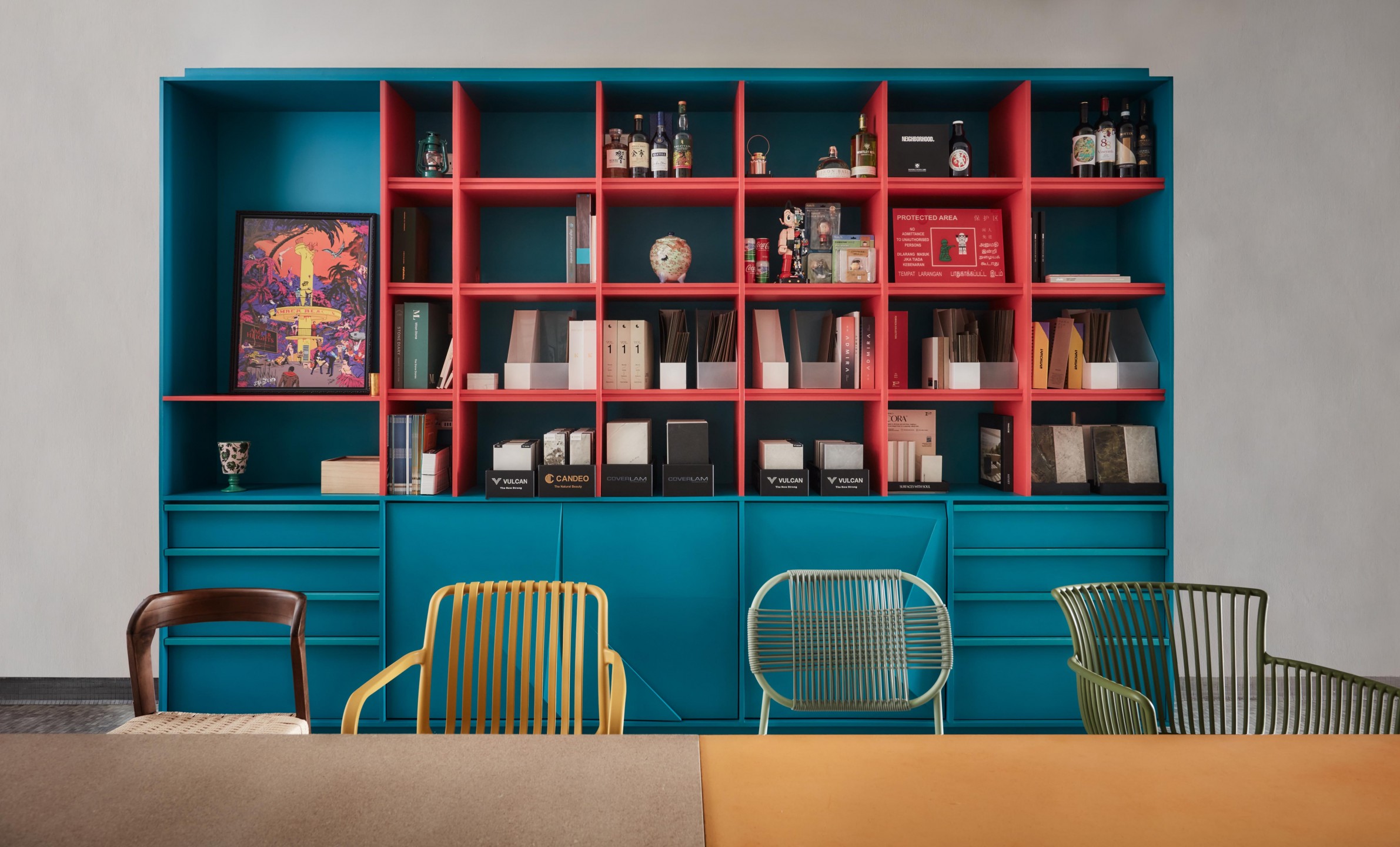
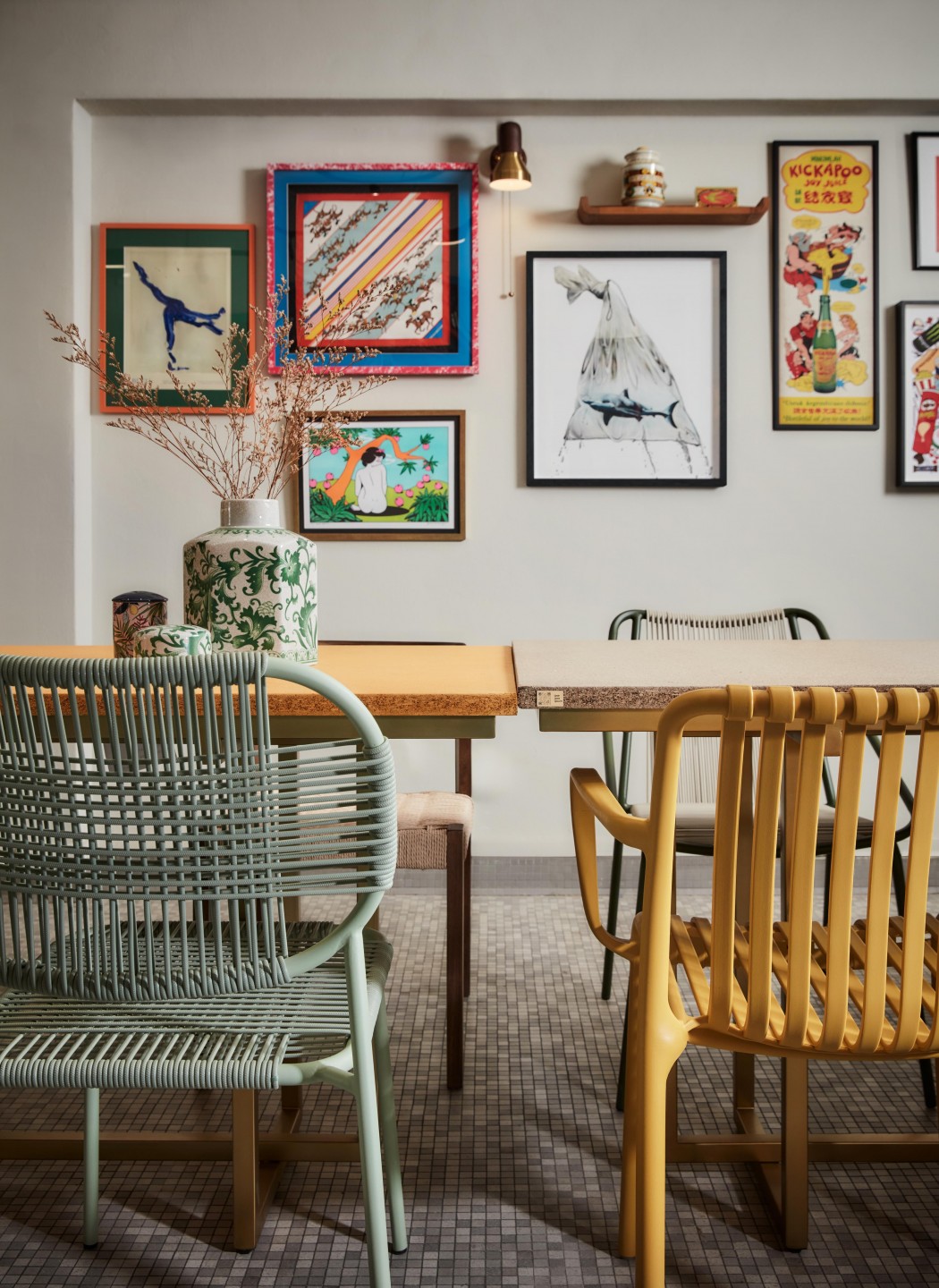
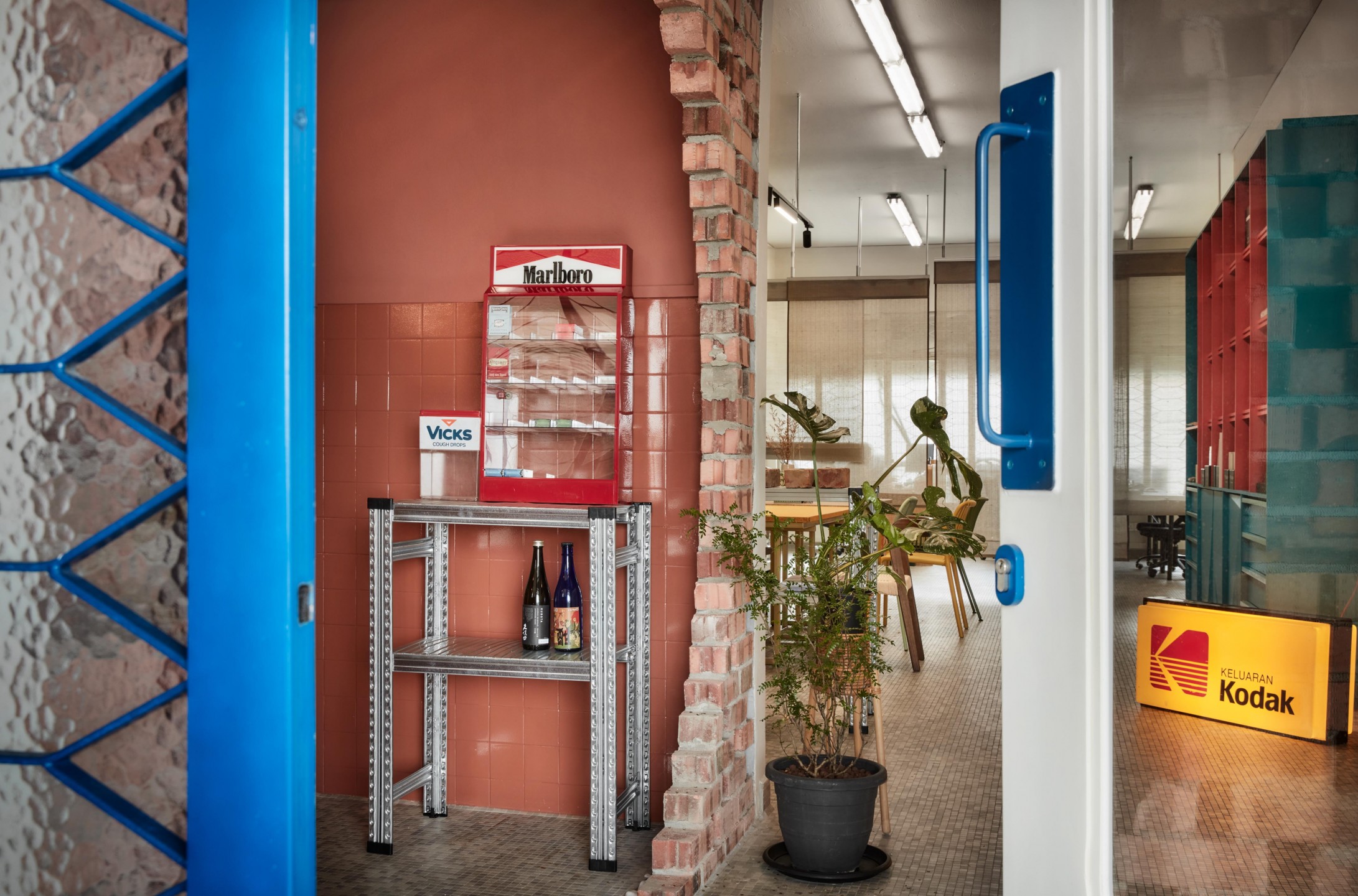
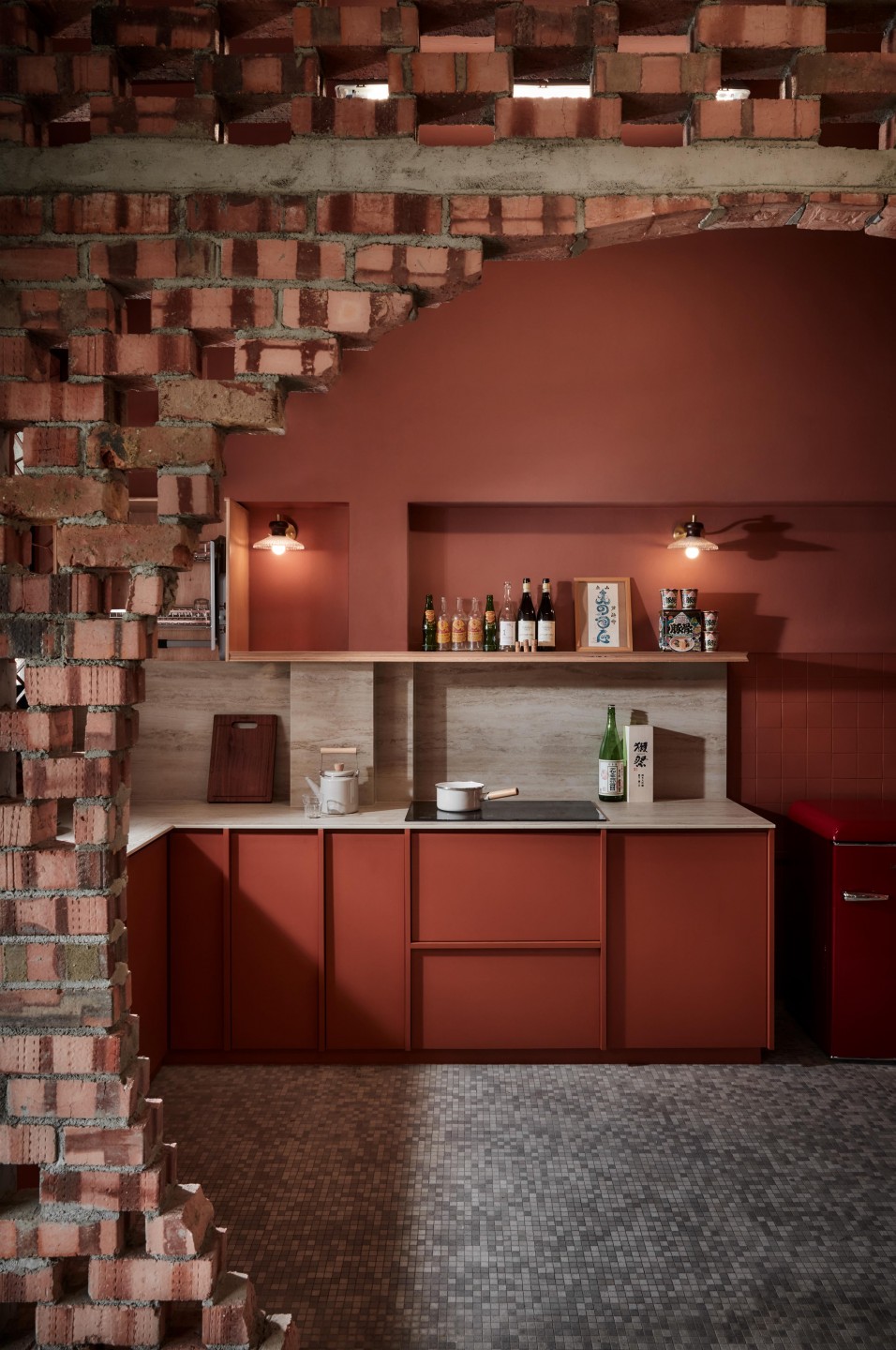
Unafraid to let colour speak, the space reflects her belief that good design isn’t about playing it safe, it’s about understanding how contrast, materiality, and mood come together to create places with character, clarity, and quiet confidence.
A Design Language Rooted in Individuality
Verena’s approach has never been about imposing a signature look. Instead, it begins with listening, understanding the tones, moods, and palettes her clients are instinctively drawn to.
From there, she layers distinction through materiality, carpentry details, and colour interplay, elevating each space without severing its connection to its owners.
Shifting Homeowner Mindsets
2025 also revealed a noticeable evolution in homeowner priorities.
Built-ins and maximum storage, once default requests, are increasingly giving way to loose furnishings that allow flexibility as lifestyles shift. With design knowledge more accessible than ever, clients are now more engaged in concept development, turning the process into a true partnership.
There’s also renewed appreciation for original materials, particularly in resale homes. Flooring and finishes are no longer replaced reflexively — but assessed, respected, and often retained.
“That respect for what already exists feels like progress.”
Looking Ahead: Values Beyond Aesthetics
As 2026 approaches, Verena’s ambitions extend beyond form and function. One item sits clearly on her studio’s to-do list: encouraging more conscious furniture choices. While sustainability may not sit squarely within her formal scope, she hopes to gently guide clients toward pieces backed by genuine corporate social responsibility values — even exploring unconventional options such as cardboard furniture by local designers.
Looking ahead, what excites her most isn’t a specific trend, but a noticeable shift in mindset. After years of scrolling-driven design decisions, more homeowners are beginning to pause and question what they truly want. That openness creates space for discovery — moments where identity takes precedence over imitation. As Verena puts it, when clients let go of what they think they should like, that’s when something special begins to take shape.
As 2026 unfolds, Verena Lim’s work stands as a quiet reminder that the most enduring interiors aren’t the loudest, but the most honest.
Explore more of Verena’s work and design philosophy online.


