If you were to design a mascot for a bathhouse, you might well land on something like the capybara. The largest rodent in the world is also the most easygoing: sociable, unbothered, and genuinely fond of a long soak, to the point that the animals are known for lounging for hours in warm springs while everything around them carries on. Capybara Bathing takes both its name and its temperament from exactly that.
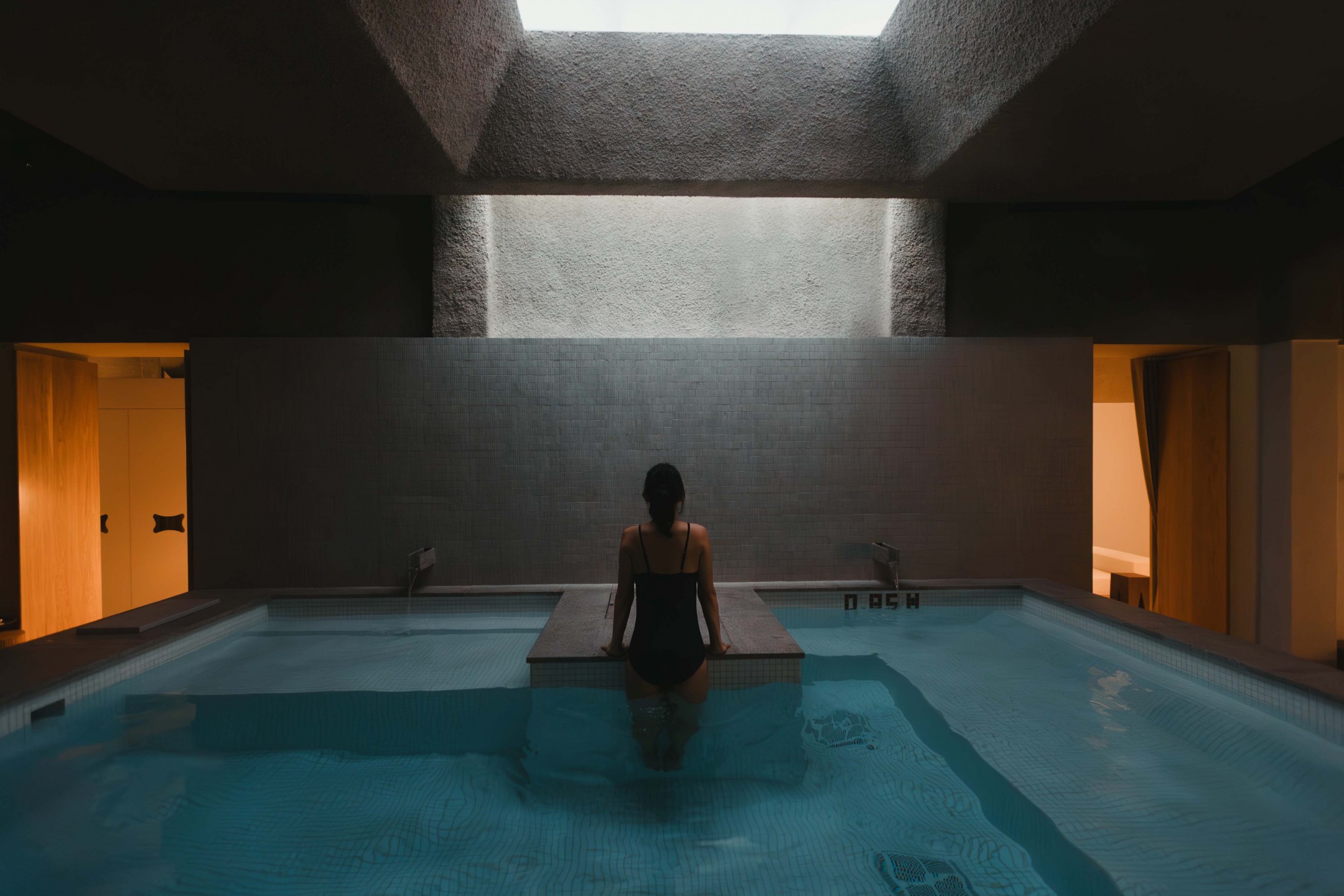
The Australian studio has opened its first home outside the country at 77 Tras Street in Tanjong Pagar, bringing its idea of bathing as a slow, shared ritual to a city that does most things at speed. Spanning 3,000 sq ft and curated by a team of Sydney architects, makers, and collectors, the space runs on the animal’s own logic: get into the warm water, stay a while, and let the day wait.
“We see bathing as a modern ceremony — one that connects people through water, warmth, and stillness.” Nicole Chew, Partner and Director, Capybara Bathing Singapore
How a Session Moves
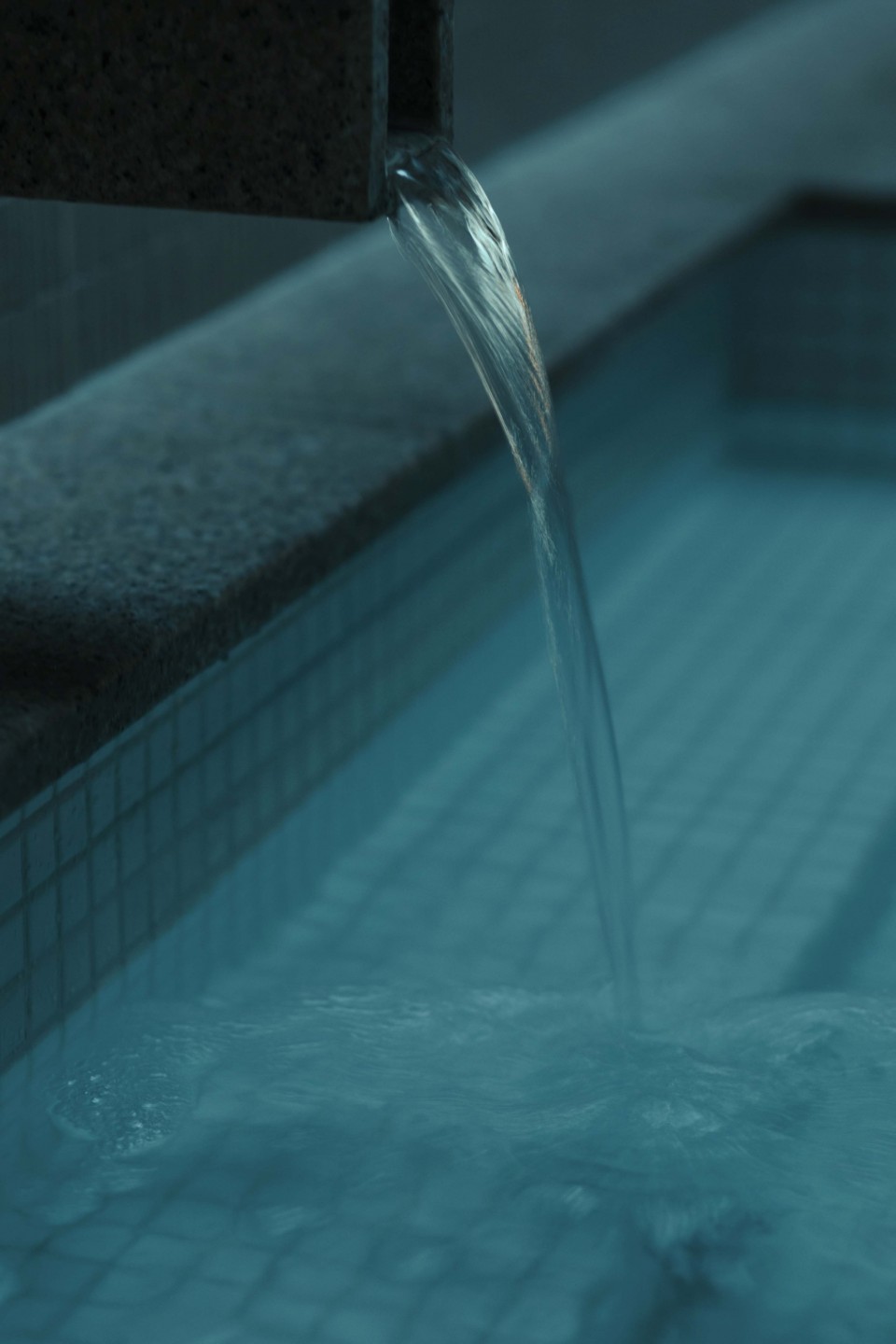
A session runs hot, then cold, then hot again. You begin warm, lowering into a magnesium mineral bath held at 38 to 40°C, the kind of heat that reaches the shoulders and lets the breath drop. Then comes the cold, a plunge dropping to between 6 and 8°C that catches the breath on the way in and leaves the skin tingling and the head unexpectedly clear. Back to heat, then cold again: the cycle is the ritual, and the body seems to settle a little more each round.
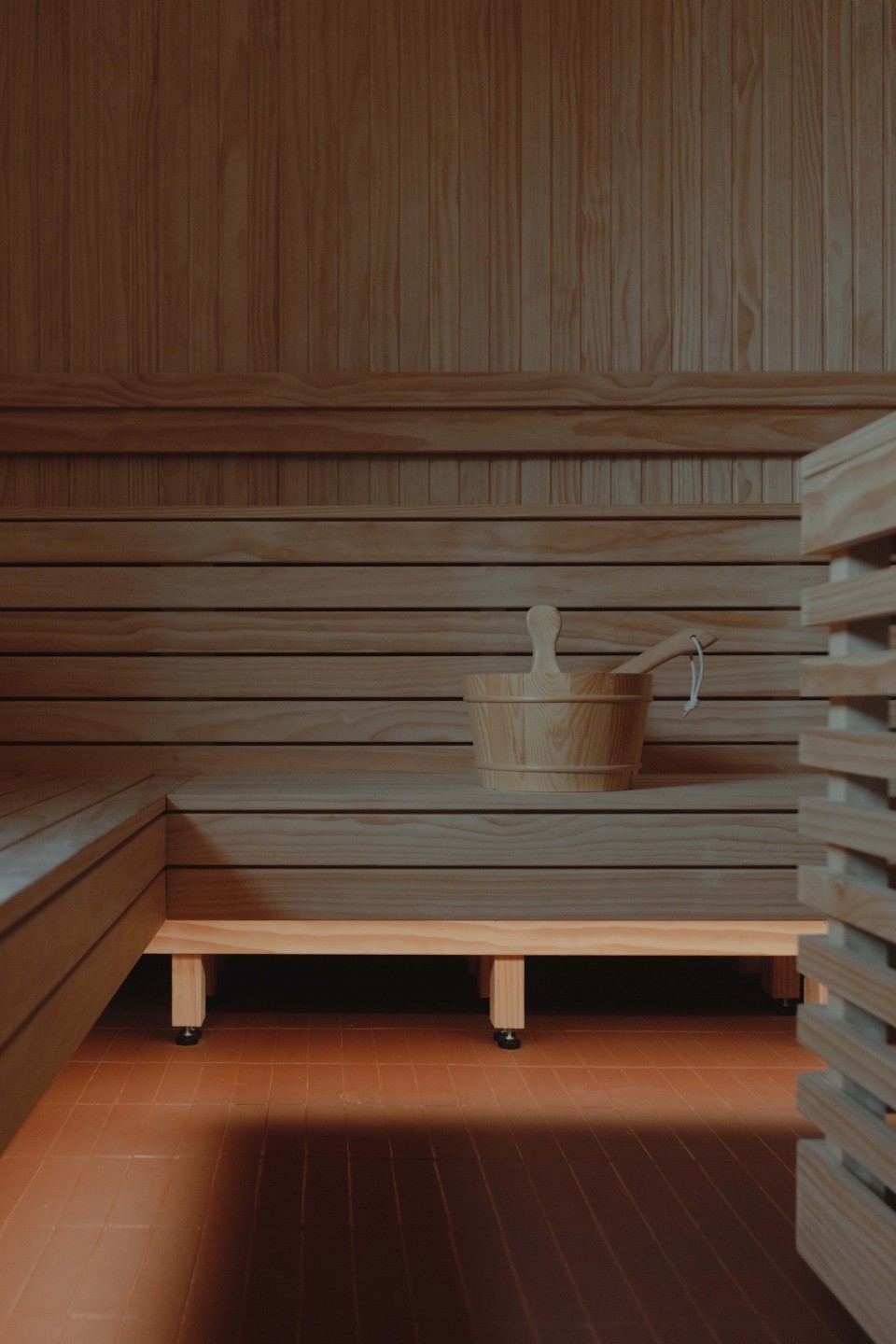
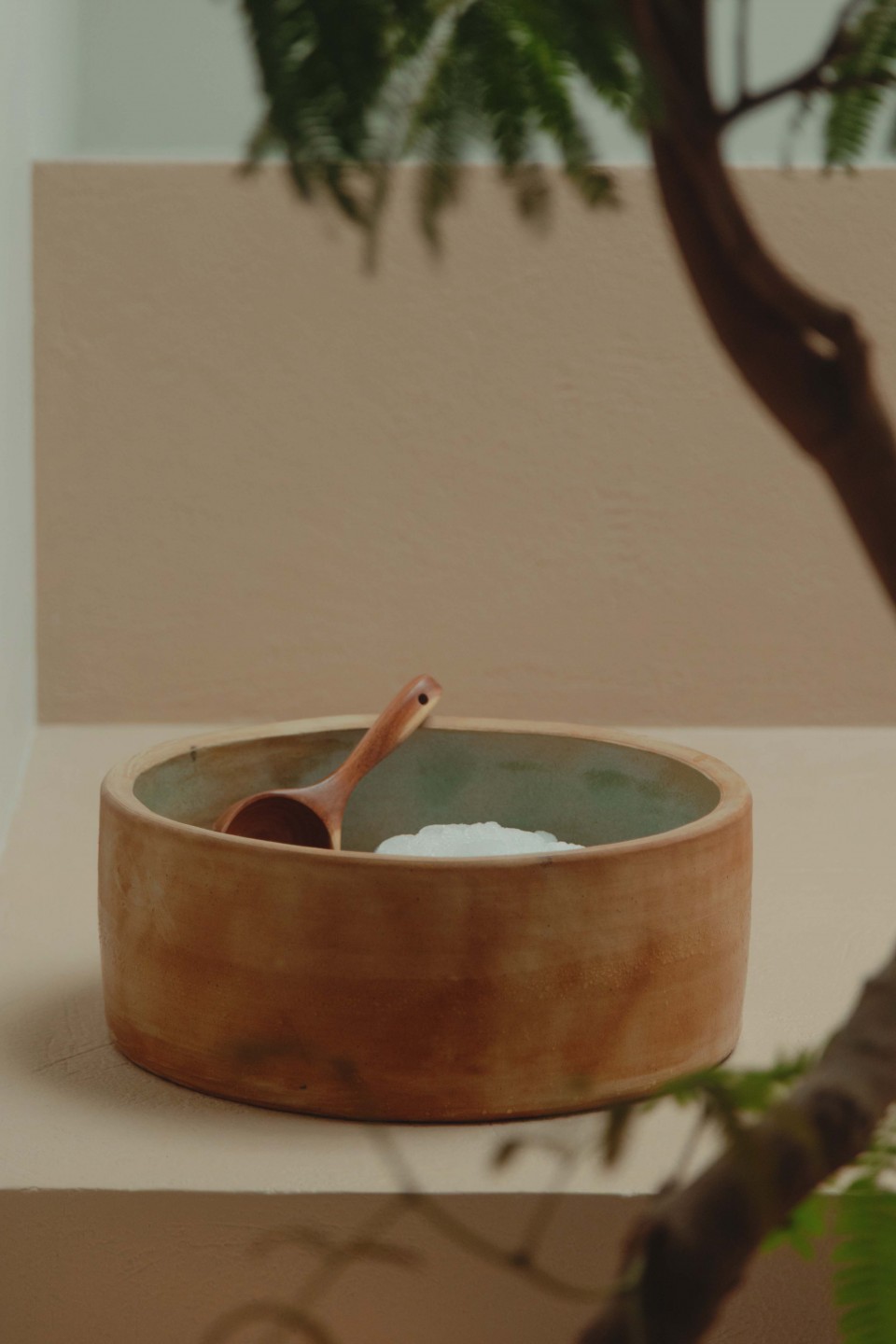
Between plunges, there are heated lounges and steam rooms to sink into. There’s also a Nordic-inspired hot lounge, said to be the first in Singapore, where shaved ice meets warm skin, and a body salt scrub leaves you buffed and glowing.
Short but Mindful
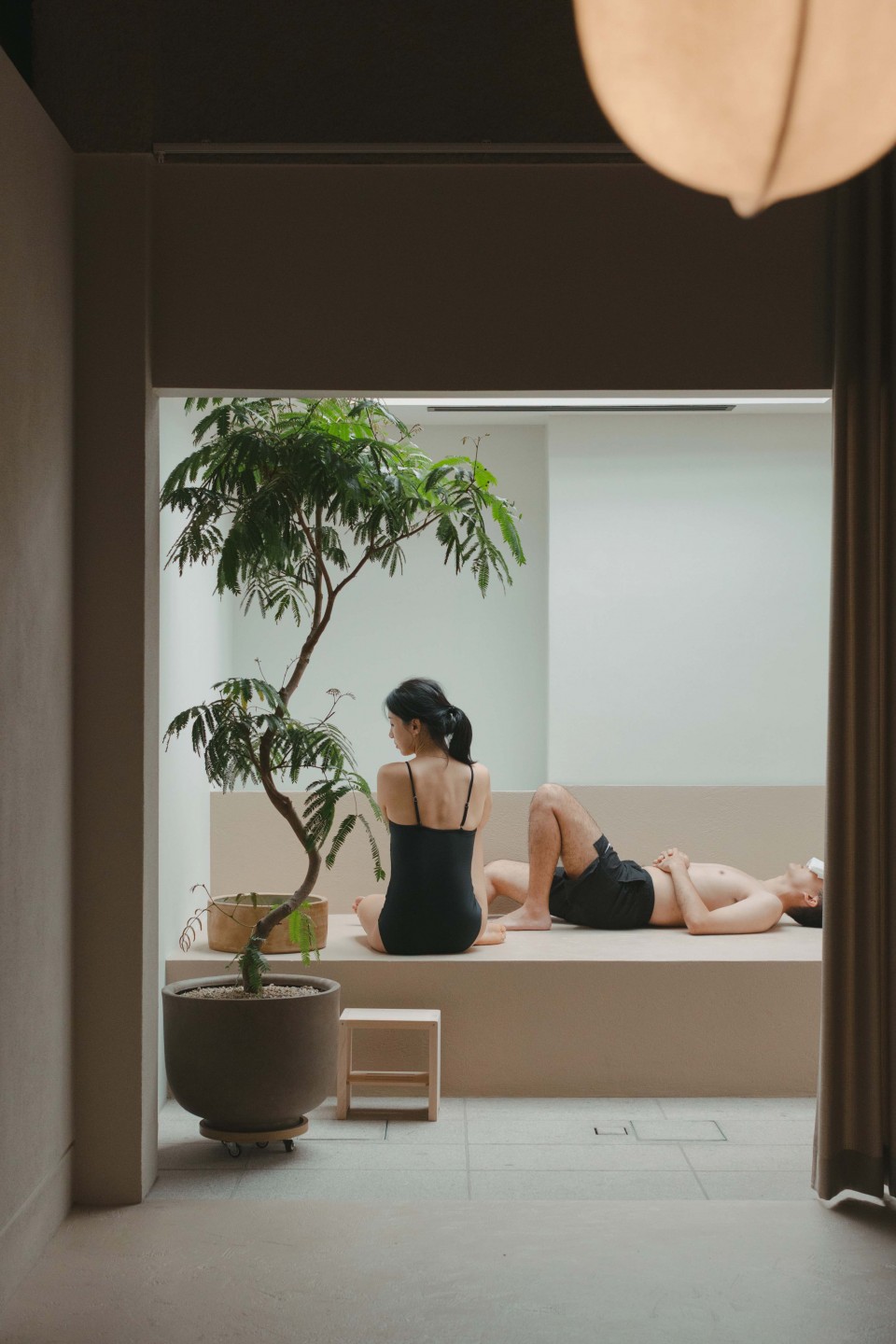
Each session runs at a deliberately limited capacity, so the space stays intimate rather than crowded. That leaves room to drift between zones at your own pace, alone with your thoughts or in easy company, which is closer to how bathhouses have worked for centuries than to a gym changing room. For those who want more than the water, the studio is building out a programme of sound, movement, meditation, aroma, and guided recovery, available to guests on sign-up.
Texture You Can Touch
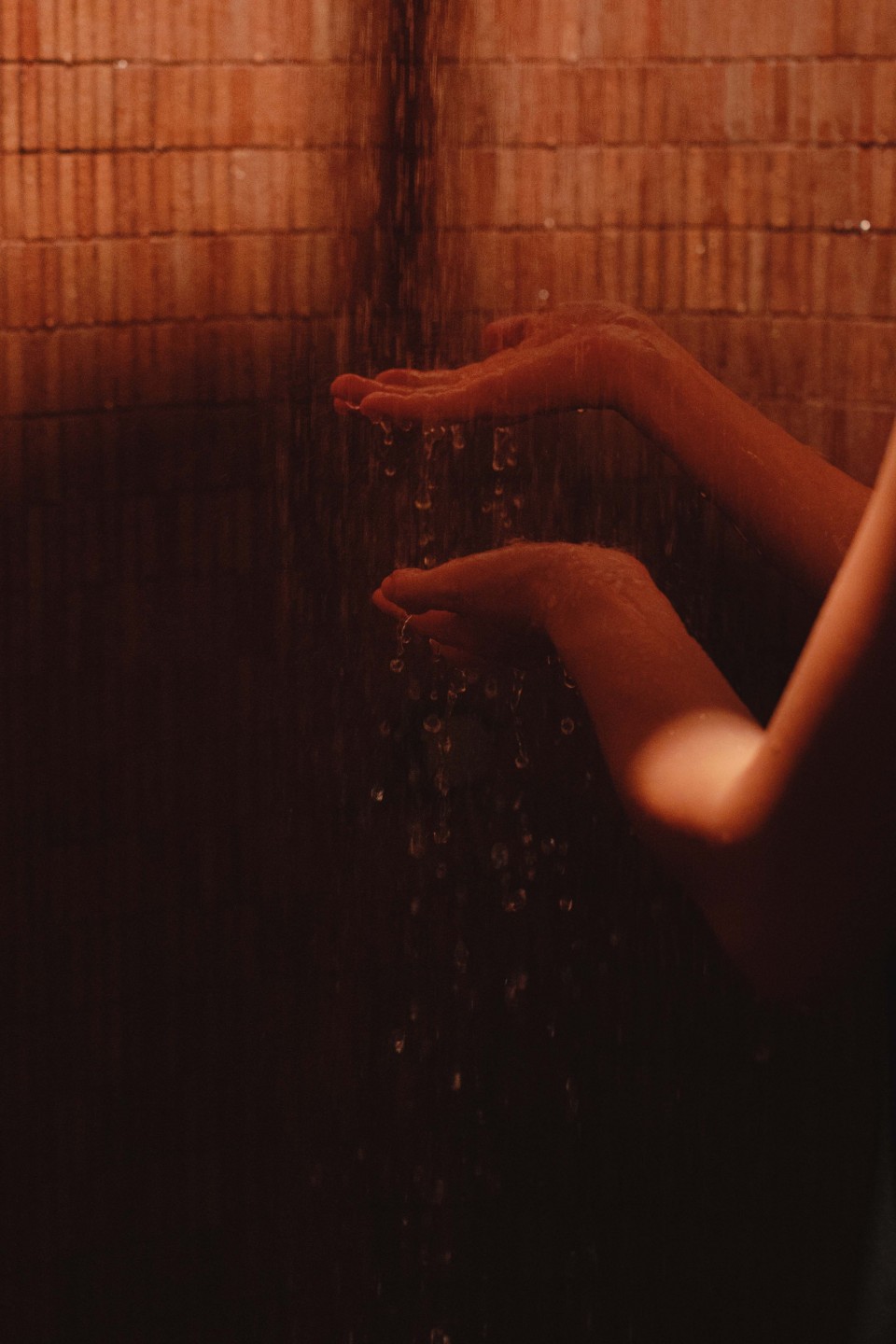
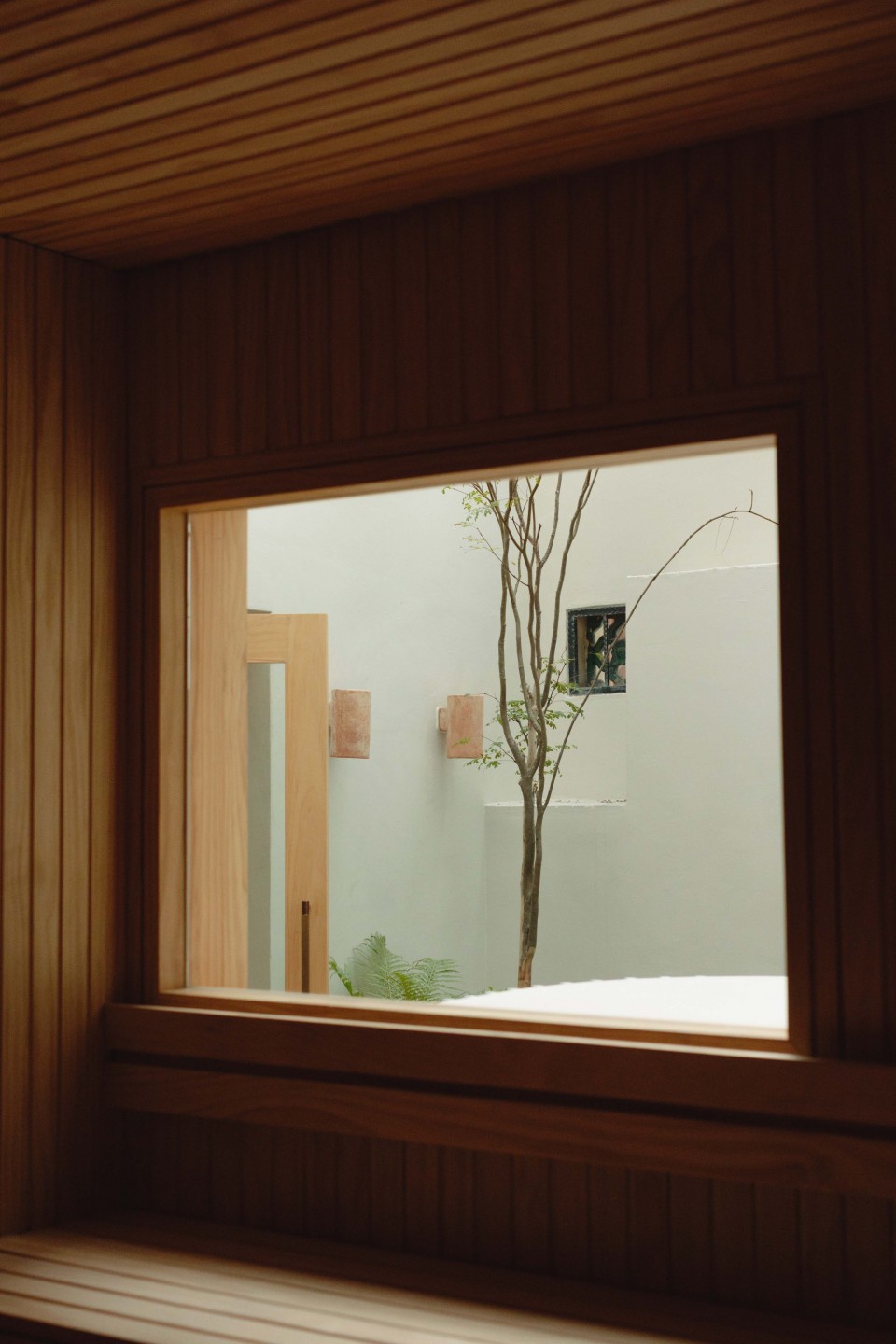
The room sets the register before anything else does: low amber light on plastered walls, broad stone ledges, mosaic tile running down into the water, and a rain shower glowing in a warm recess, adding warmth where the water turns cool. The materials matter here as much as the water, and much of what you handle and sit among is made locally: handcrafted ceramics from Mud Rock Ceramics throughout, planting designed by PluntCo, and staff uniforms by rye, the homegrown label known for its understated craftsmanship.
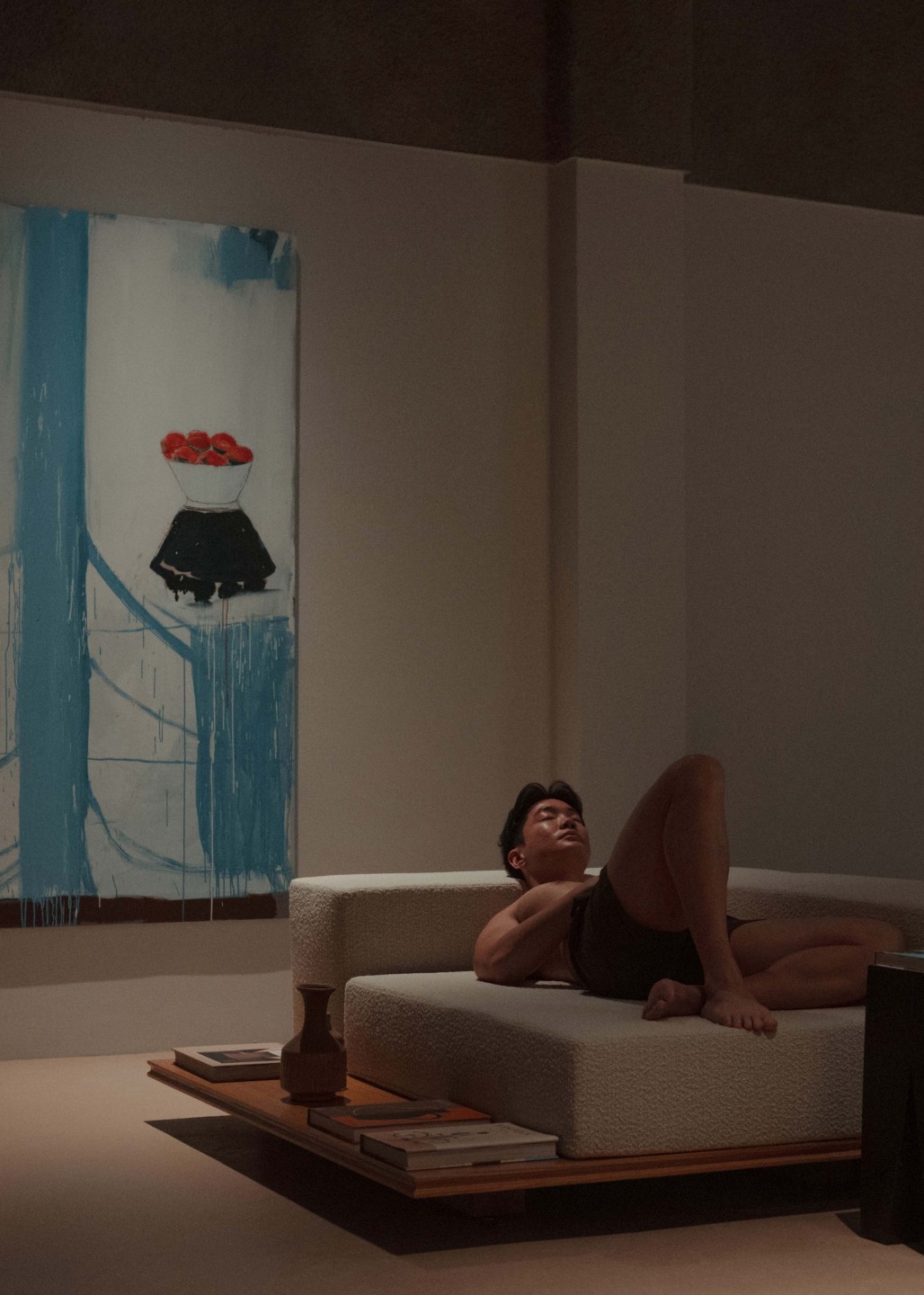
Commissioned art and objects give the eye somewhere to rest between plunges. Local practitioners lead the yoga, stretch, and sound sessions too, so the studio reads less like an imported franchise and more like something rooted in the neighbourhood. As the team puts it, wellness here is as much cultural as it is physical.
The People Behind the Water
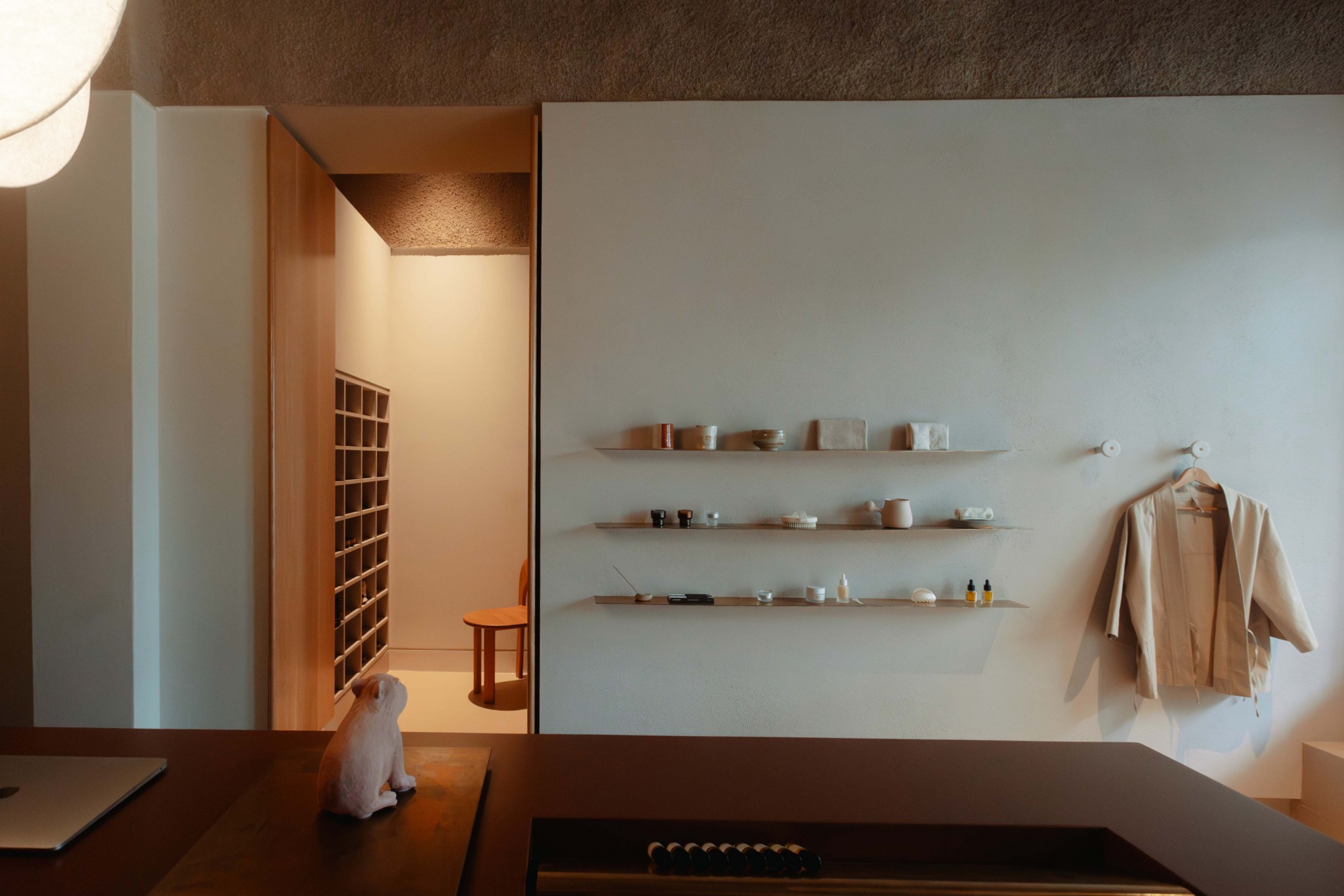
The Singapore studio is led by Nicole Chew, who spent more than a decade in the built environment and construction industry before turning that eye to a space made for slowing down. She is a yoga teacher too, and it shows in how the place is run, with wellbeing set at the centre rather than added on top. Behind her is the Australian founding team, a six-part group of designers, makers, and spa enthusiasts that includes art collector and banking professional Natalie Cheung and architect Rebecca Qin, co-founder of the Sydney communal ceramic studio Project Snail.
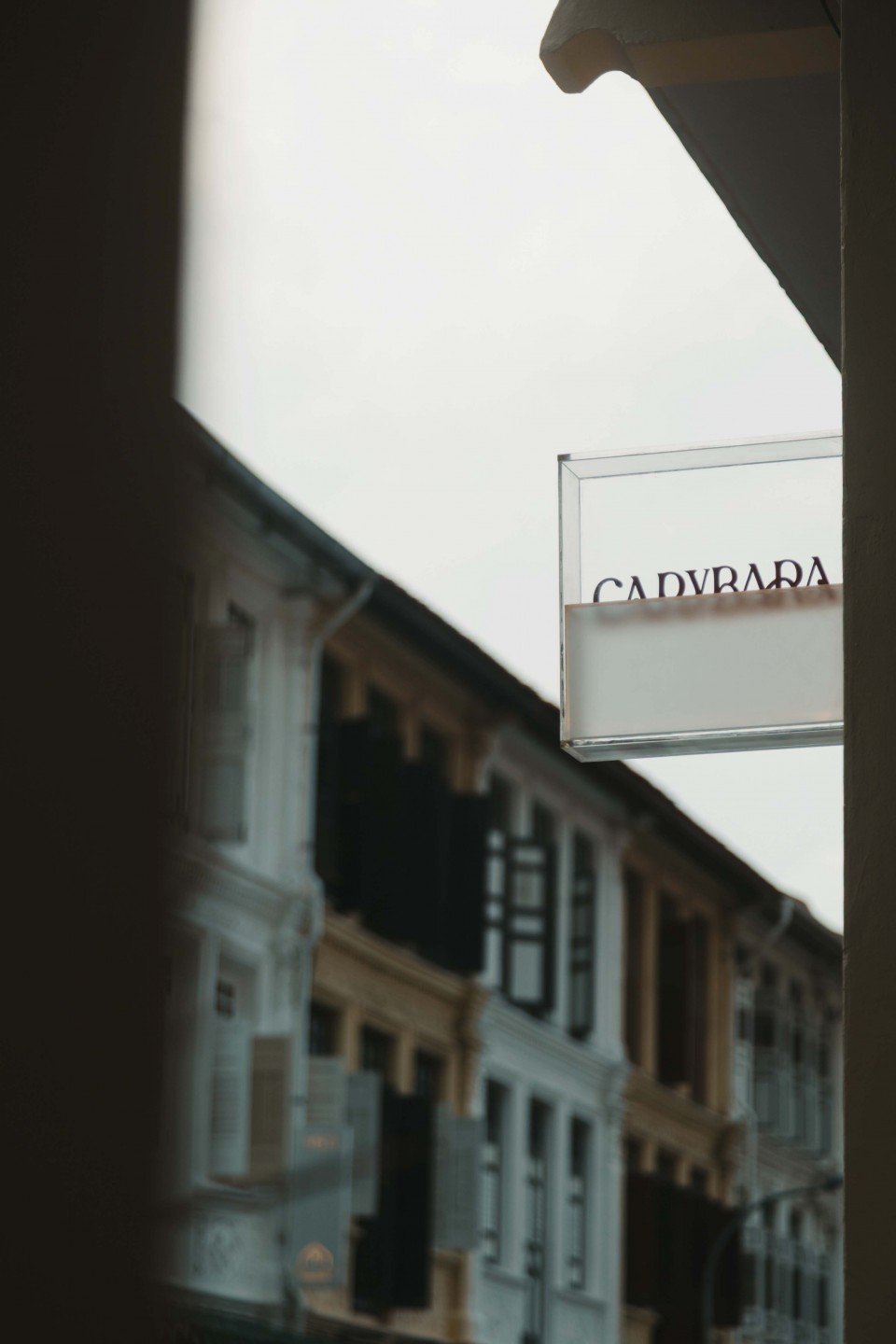
The pitch, in the end, is a plain one. Put the phone away, sit in the warm water, and let the city carry on without you for a while.
Capybara Bathing Singapore is located at 77 Tras Street, Tanjong Pagar
Words Disa Tan Images Capybara Bathing Singapore


