The Space Between is SquareRooms’ new YouTube series focused on the people behind meaningful spaces. This episode is an exclusive one-on-one with Chin Choon Kean, founder of The Mango Tree. If you have a space — or know one — with a story to tell, connect with us on Instagram.
When we sat down with Chin Choon Kean, founder of The Mango Tree, it became clear very quickly that this wasn’t a restaurant story in the conventional sense. It was a story about conviction, risk, and building a space with no blueprint — only responsibility.
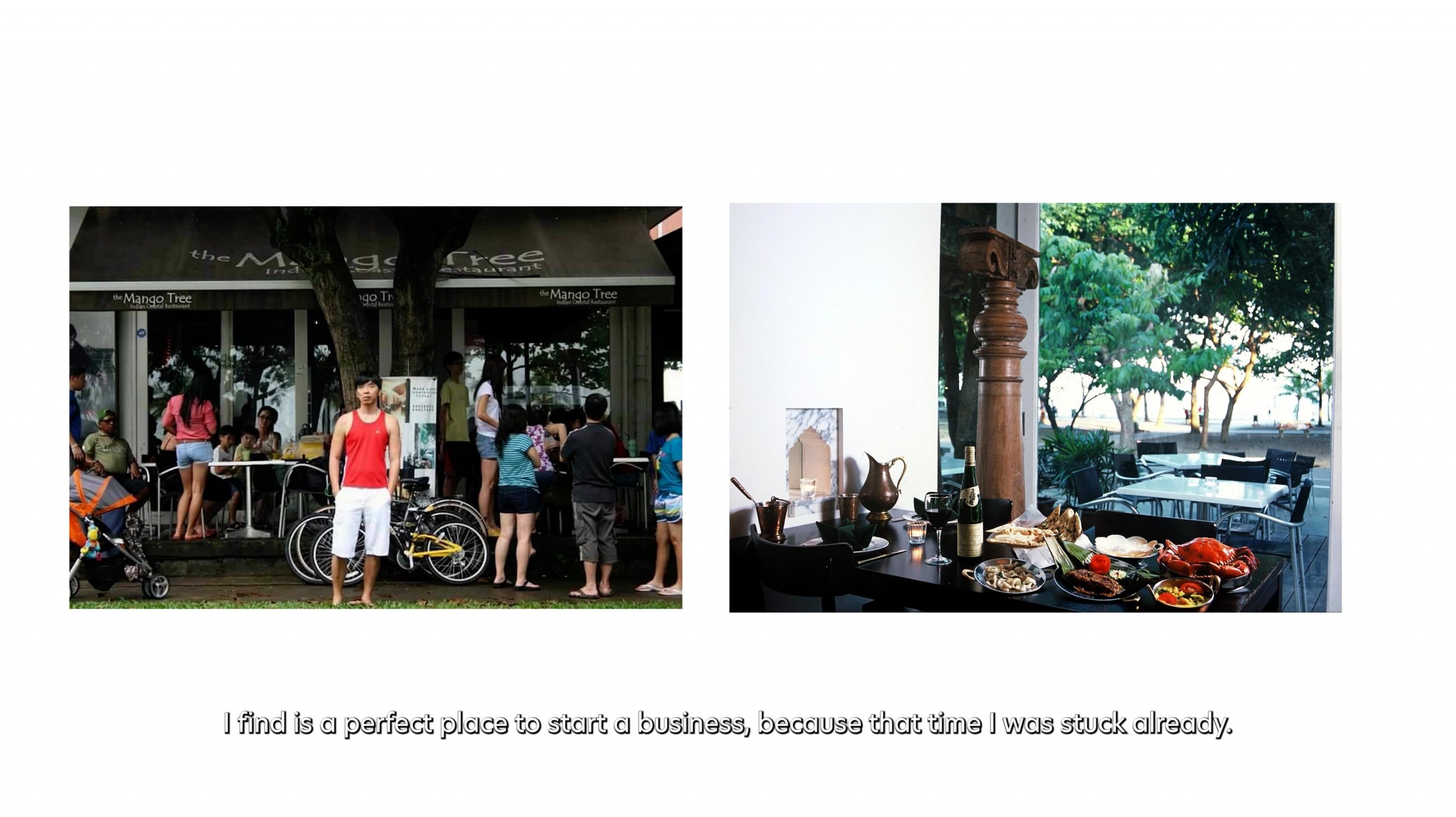
Few Indian restaurants in Singapore serve both South and North Indian cuisine under one roof. At The Mango Tree, coastal flavours sit alongside classic North Indian dishes, shaped by Chin’s early research trips to India and a commitment to cultural authenticity.
For Chin, entrepreneurship wasn’t a lifelong dream or a carefully mapped plan. It was, quite simply, a solution. With three daughters and a wife to care for, Chin wanted a way out of the corporate grind — a way to build something of his own, even if he didn’t yet know what that “something” looked like.
Chin is an avid runner, and it was during one of his daily jogs at East Coast Park that fate intervened. He noticed an empty F&B space and, on impulse, called the agent. The reply came quickly: the unit was reserved for an Indian food operator. Without much thought — and certainly without experience — Chin decided it could still work. He would open an Indian restaurant.
When Chin shared his plan with his family, the response was unanimous. No one supported him. They thought he was crazy. He was Chinese, had no industry knowledge, and no safety net. Yet despite the resistance — and after much persuasion — his wife eventually came around. Together, they agreed that if they were going to take this leap, they would do it properly.
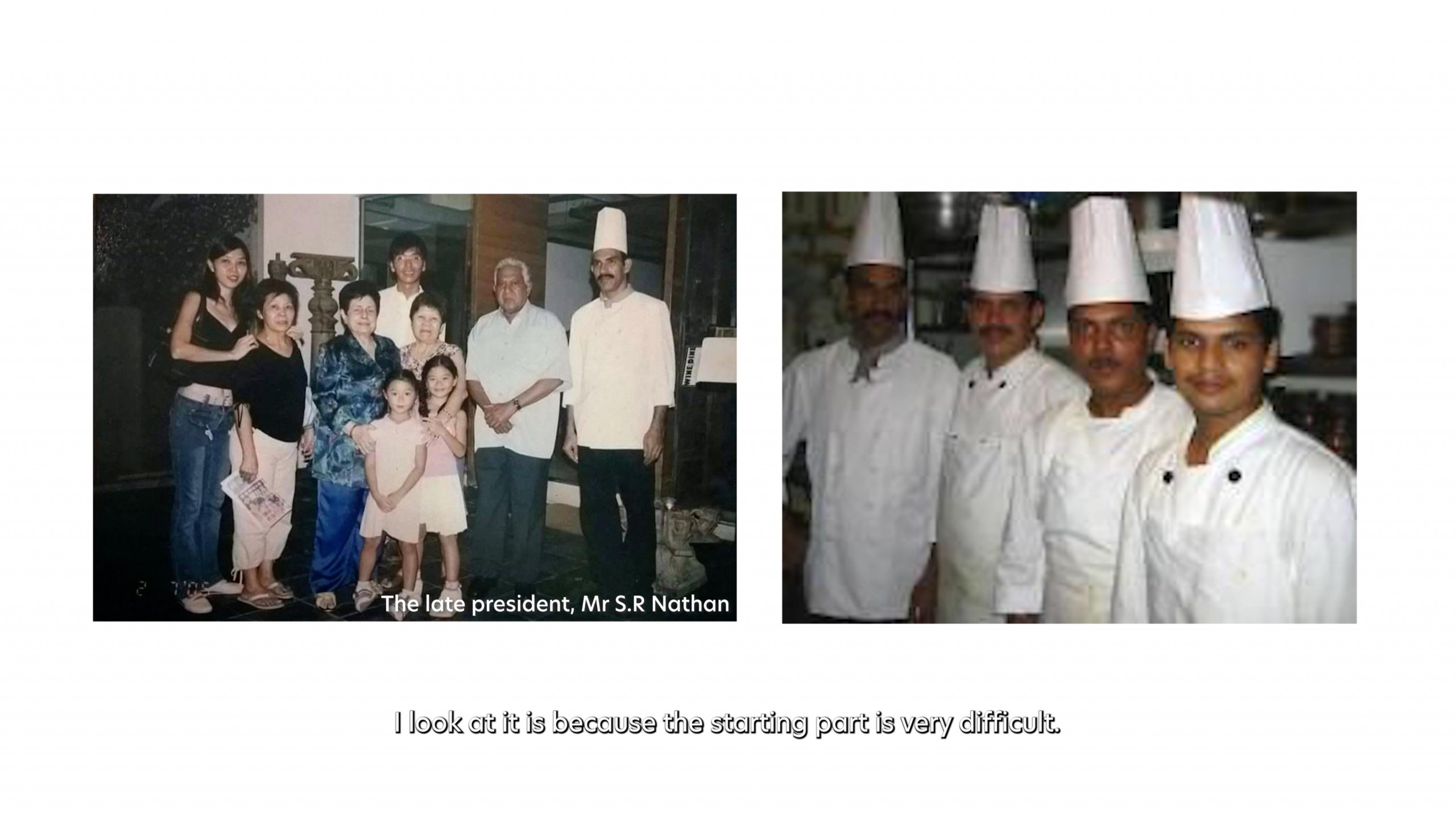
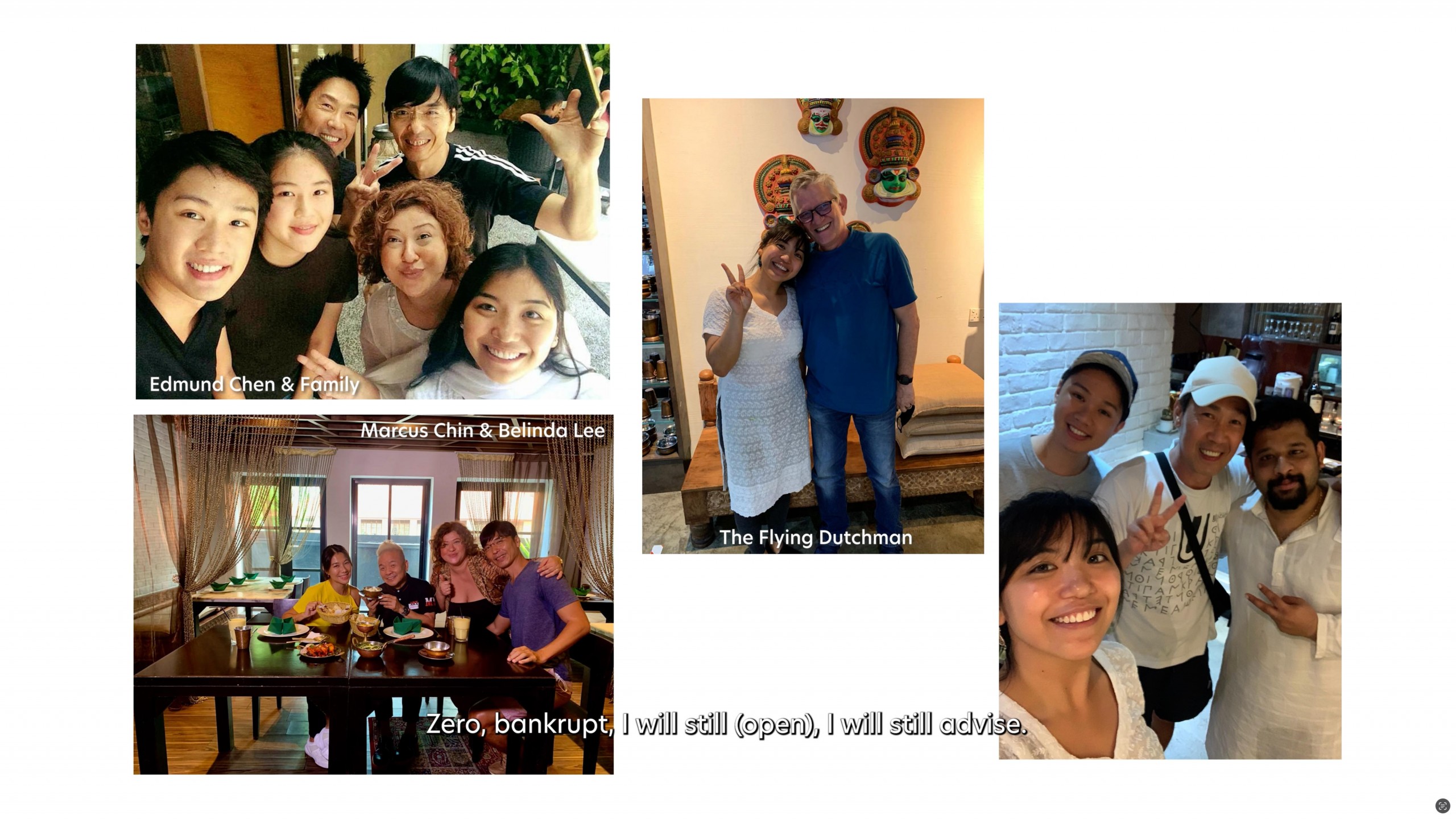
Over the years, The Mango Tree has quietly welcomed generations of diners — from neighbourhood regulars to public figures from different walks of life. Its longevity was never about spectacle, but about consistency.
Before the restaurant opened, the couple travelled to India to understand the cuisine first-hand. What started as research became immersion. With the help of locals, they explored regional cooking, tasted authentic dishes, and eventually managed to employ chefs who could bring this vision to Singapore. It was during this time that Chin began to understand that food, much like space, carries culture, and that authenticity couldn’t be improvised.
Then came one of the hardest moments. As opening day approached, Chin was informed that the chefs’ work passes had been denied. With rental already running and no room to delay, the pressure became overwhelming. Stress and anxiety set in. The restaurant had to open — but without the people who were meant to run it.
Before The Mango Tree became a familiar name along the East Coast, Chin had no experience in F&B, no culinary training, and no clear blueprint. What he did have was responsibility, and the determination to build something of his own for his family.
Looking back today, Chin is candid about the many downturns he faced along the way. He had no experience to fall back on, no industry shortcuts, and little external support. Yet he stayed the course.“I did this for my family,” he tells us simply. Every risk, every setback, every sleepless night traced back to that single motivation.
Even the restaurant’s name came about by chance. After securing the first space at East Coast Park, Chin invited a few friends to take a look. As they stood outside the unit, he remarked that it would be nice to sit under the tree, by the coast, and enjoy a meal — an easy, unforced connection between food and place. Some advised him to remove the tree, suggesting it blocked the entrance and might “affect feng shui.”
To stop the debate, one of his friends said, “Don’t be crazy. You should call it The Mango Tree.”
Chin hesitated. But his friend went on to explain that the mango tree symbolises auspiciousness and purification in Indian culture — a meaning that felt unexpectedly fitting. The idea clicked. The tree remained. And so did the name.
Today, The Mango Tree is one of the few Indian restaurants in Singapore that serves both South and North Indian cuisine under one roof. Its longevity, through relocations and changing dining trends, speaks not just to the food, but to the clarity of its purpose.
Throughout the years, Chin has made a conscious effort to preserve more than flavour. Traditional Indian columns continue to frame the entrance, marking a sense of arrival. Wall niches remain embedded within the interiors, a quiet architectural gestures that honour craft, ritual, and memory. For Chin, these elements matter. They ground the space, even as everything else evolves.
At SquareRooms, we often say that good spaces aren’t built overnight, they’re lived into. In many ways, Chin’s journey mirrors that of a first-time homeowner navigating renovation without experience: learning through trial, pushing through doubt, and trusting that commitment matters more than credentials.
Watch our full one-on-one with Chin Choon Kean on The Space Between, SquareRooms’ new YouTube series, or visit The Mango Tree for more information.



