When Den was working on his new home one afternoon, a neighbour who walked past simply stepped in, assuming he must be the contractor.
“He started treating me as a worker and asking questions, not knowing I’m actually the homeowner,” he quipped.
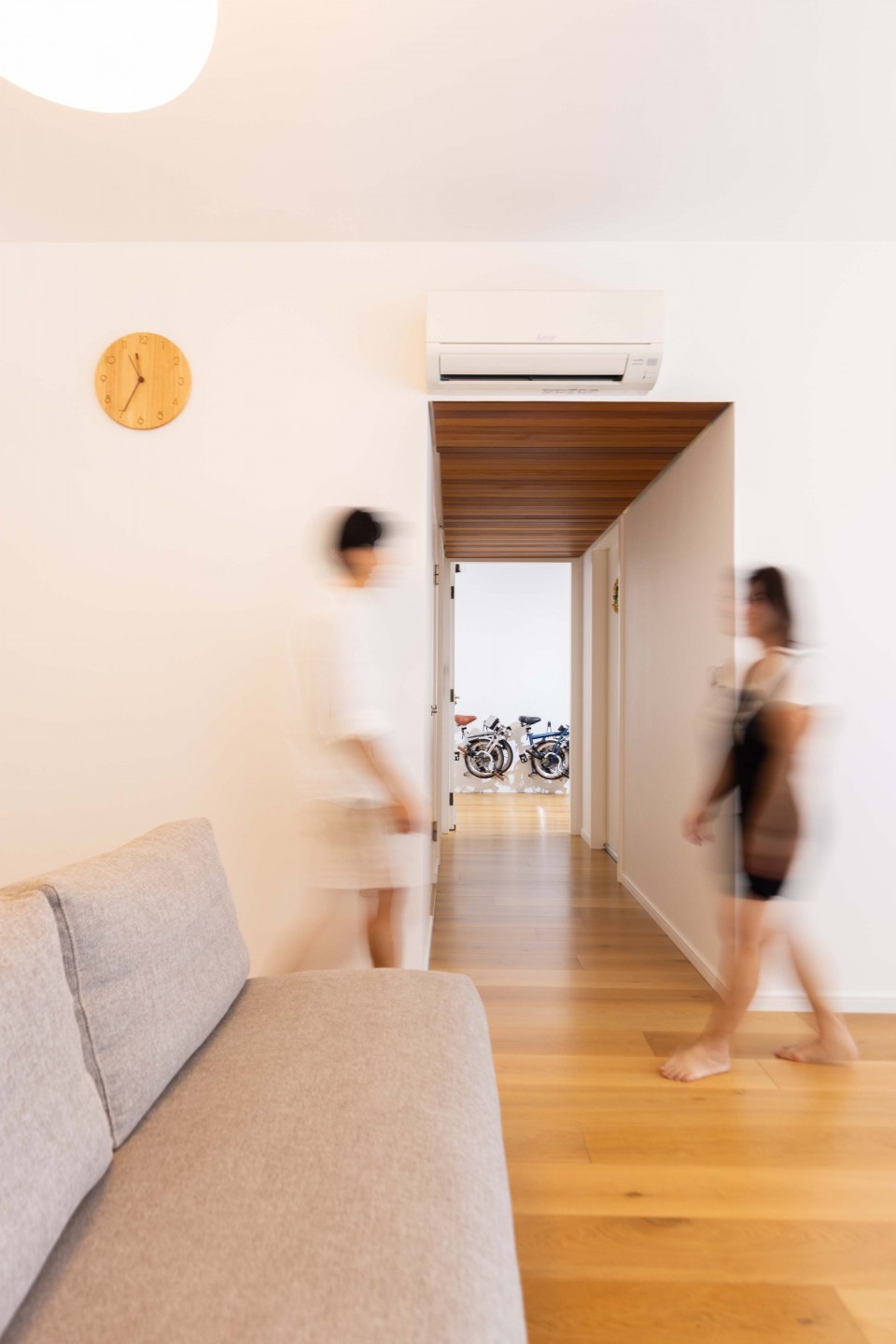
It is an easy mistake to make. Standing beside his electric saw in safety glasses and an N95 respirator, the newly minted homeowner moves through his DIY projects with confidence. From playing with lego bricks as a child to getting into miniature modelling as a teenager, the architecture graduate has always loved working with his hands. But his latest project may be his biggest one yet: building a 3-room BTO flat from scratch.
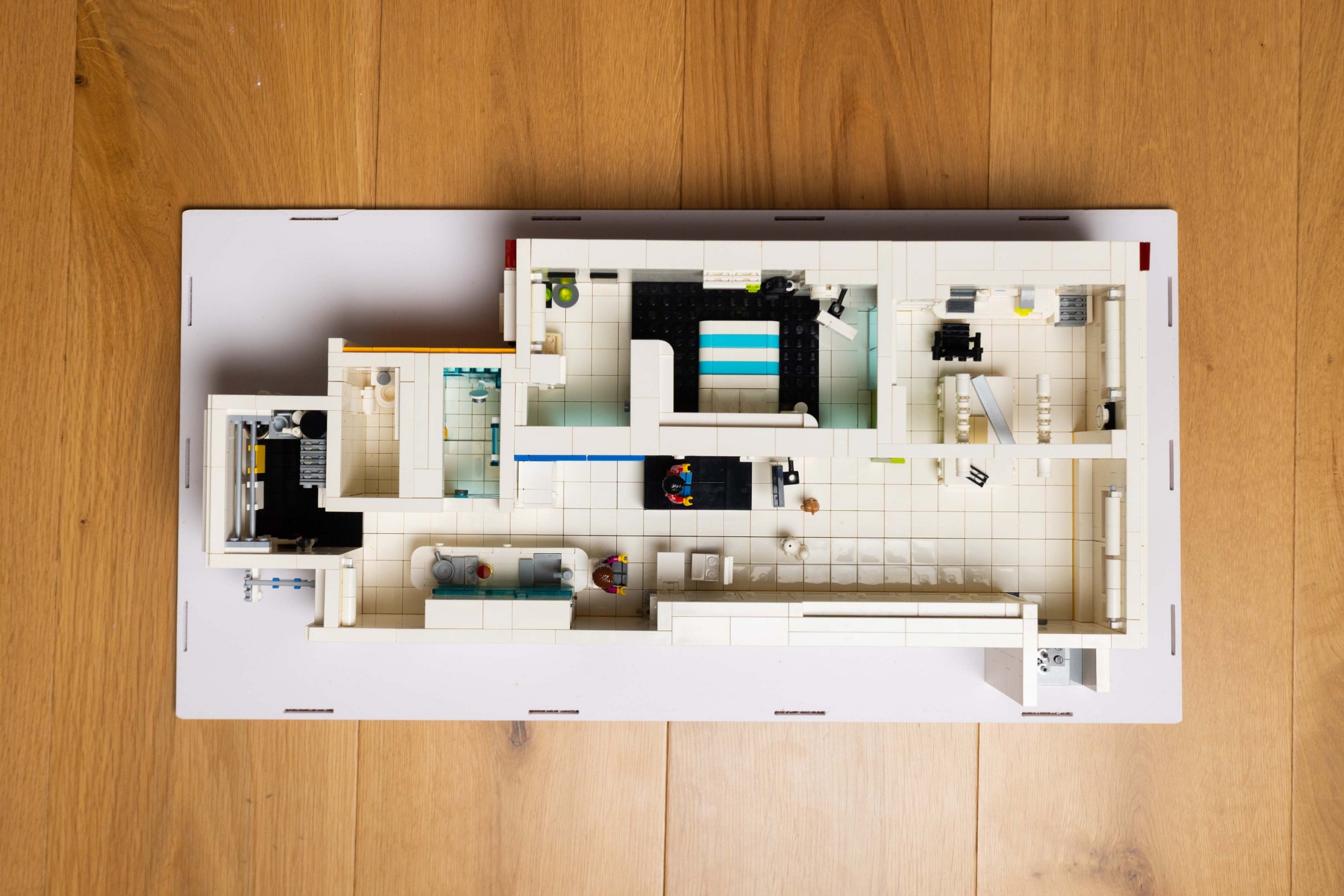
A miniature of their previous home, built piece by piece by Den as a gift to his wife. It reflects his way of thinking – creative, precise and deeply thoughtful, even in the smallest details.
“I’ve always had this crazy distant dream of self-building my own house in a faraway land,” he said, adding that his first home, a resale flat, was self-designed but executed by a contractor.
“It seemed only natural that this would be the next milestone in my journey.”
Engineering better habits
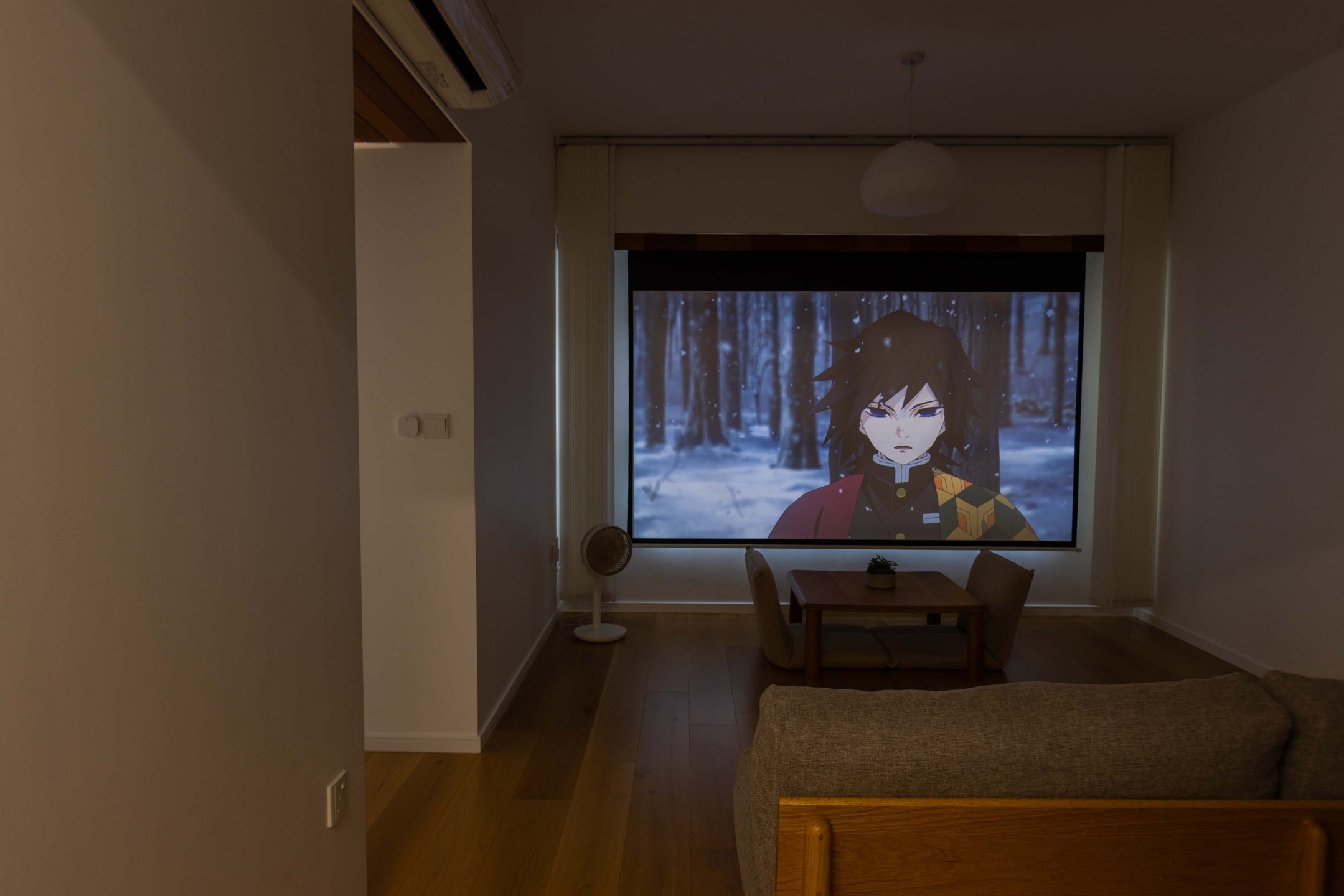
You do not have to look far to tell that Den is a minimalist. The living room holds just two essentials: a low-profile dining set for meals with a view, and a sofa for elderly guests or for lounging when the projector screen is deployed. This less-is-more approach makes cleaning easier, while leaving enough open floor space for the couple to exercise at home.
“I wanted a space that can help nudge us towards a lifestyle that embodies healthy living and mindful consumption,” he explained.
Unwilling to use plywood that emits formaldehyde, Den built the entire kitchen cabinetry system from scratch, tailoring it to how they move through the space. The layout follows a left-to-right workflow optimised for right-handed users, and the compartments are sized so that no food is forgotten at the back and later thrown away after expiring.
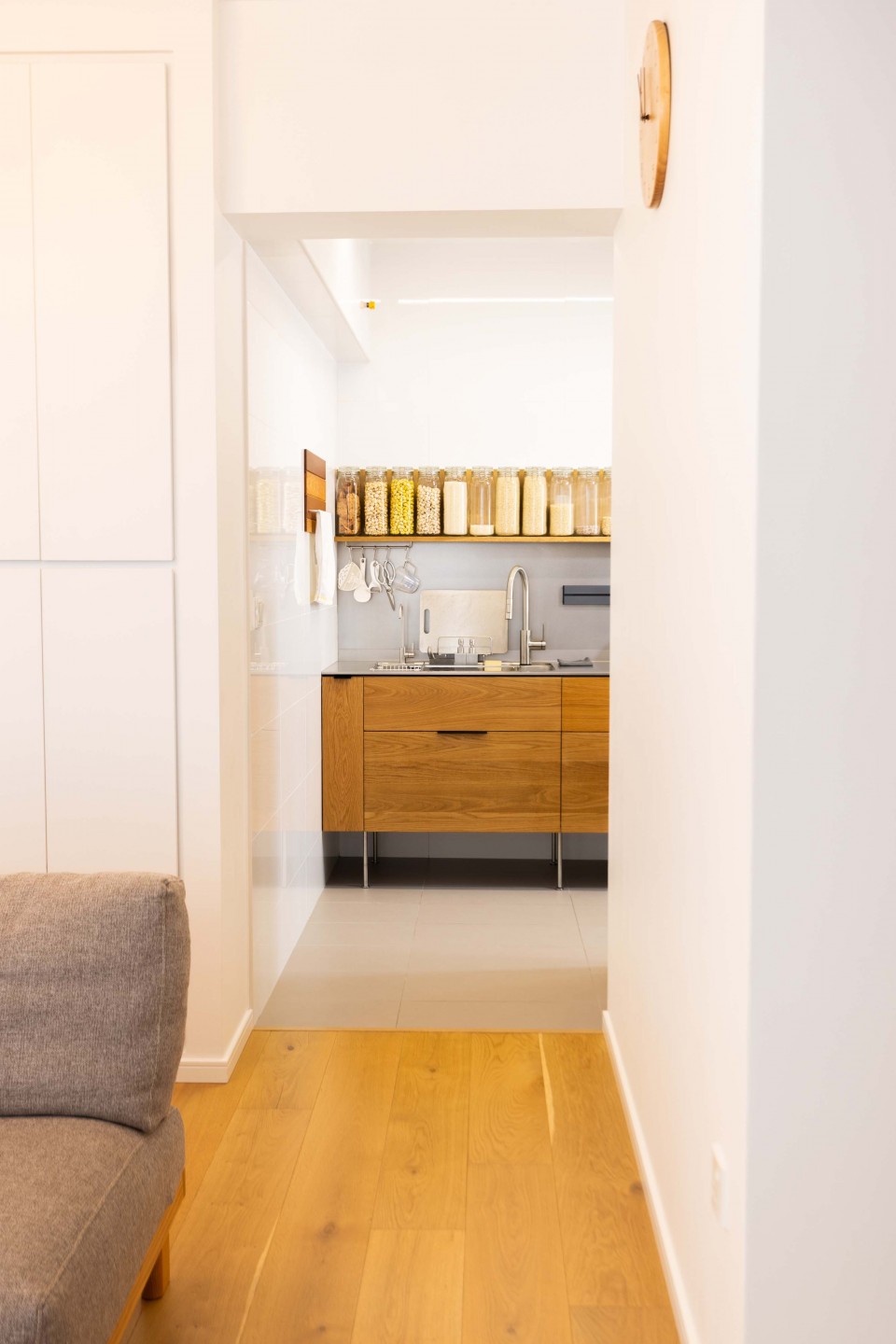
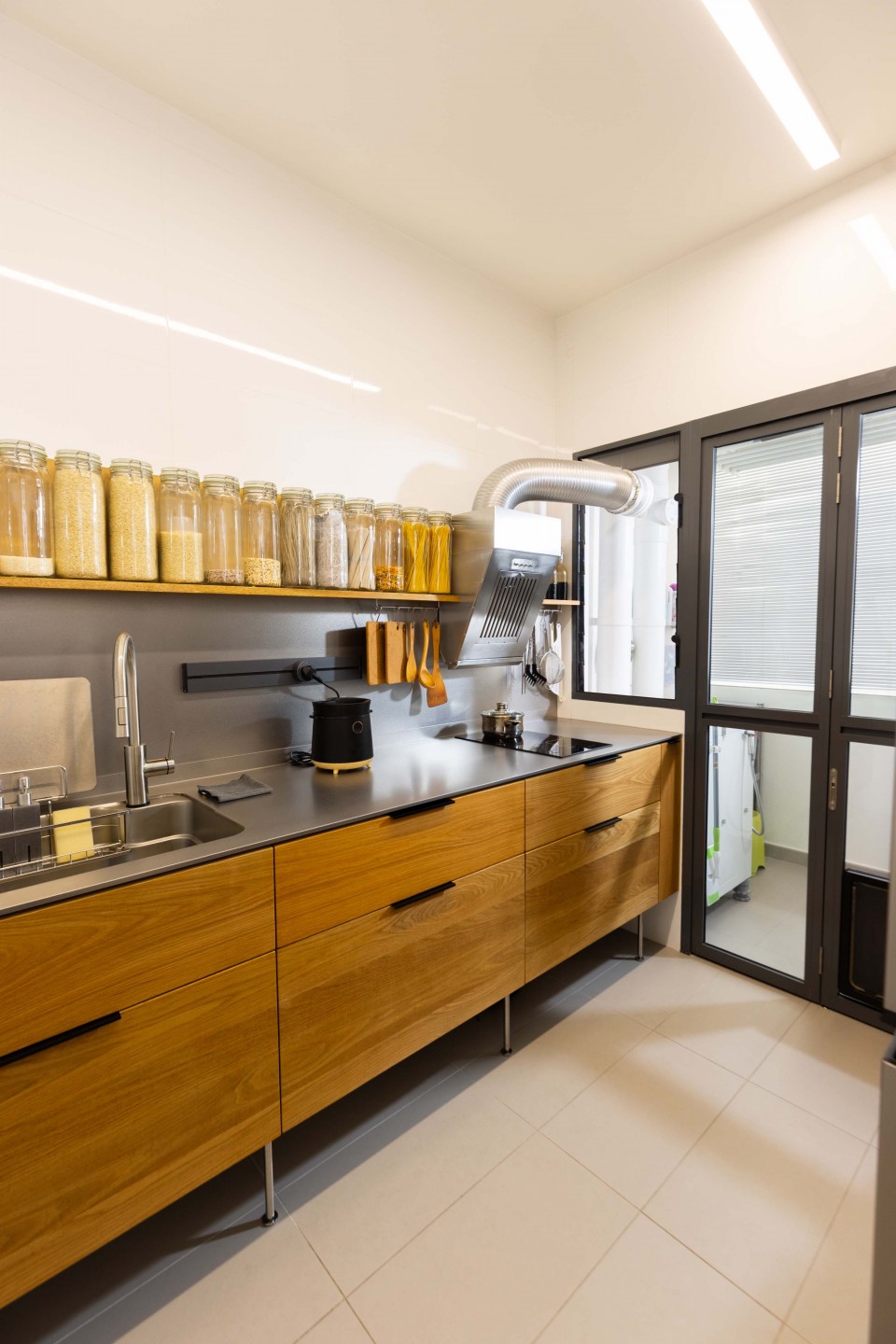
Unlike its floor-to-ceiling counterparts, the cabinet’s top compartments can be reached without the stool, while the bottom ones are raised to make cleaning easier. This also eliminates the narrow gap between cabinets and the floor, a space that often becomes a refuge for ants.
“This also makes our small kitchen look more spacious, brighter and less claustrophobic,” he added.
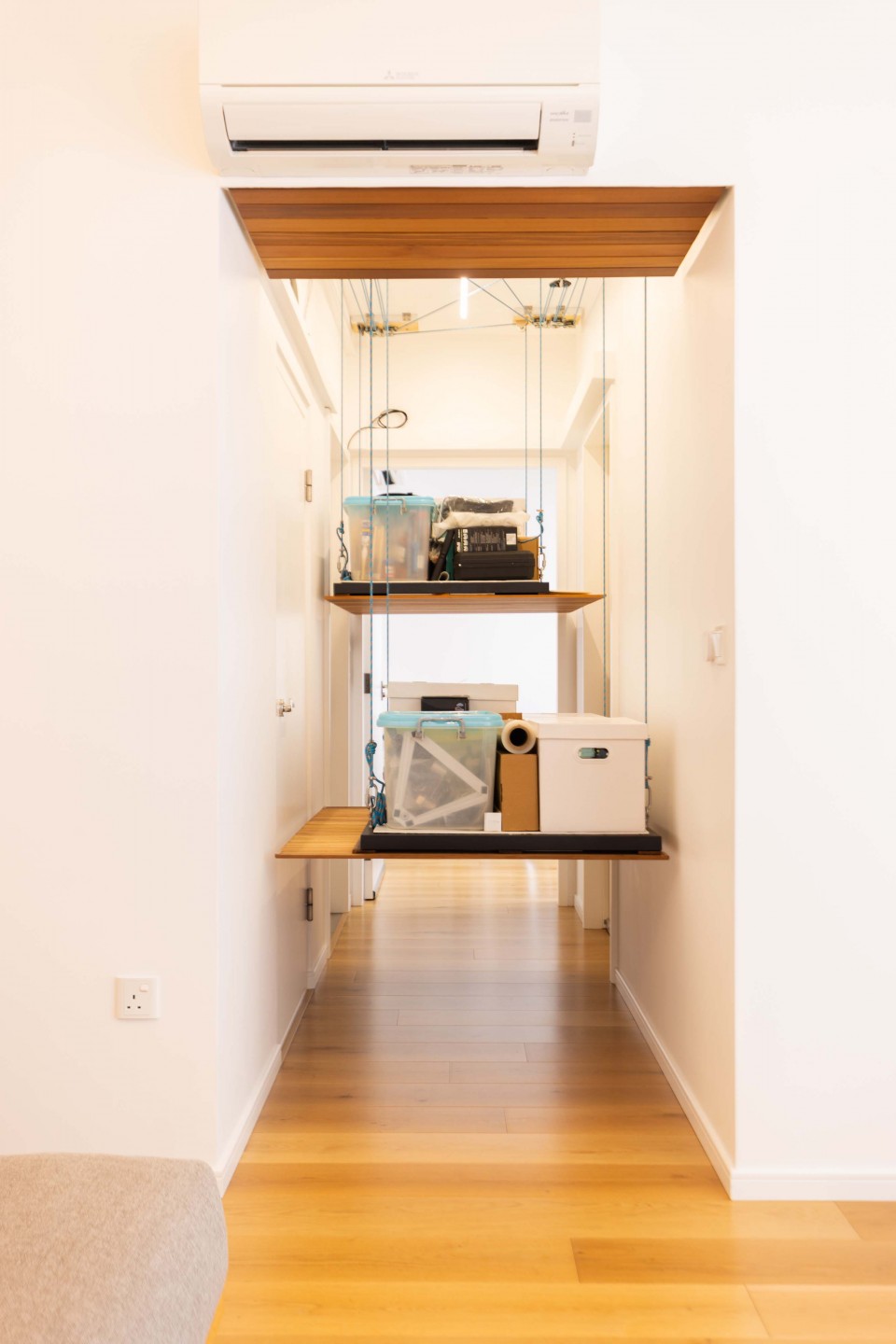
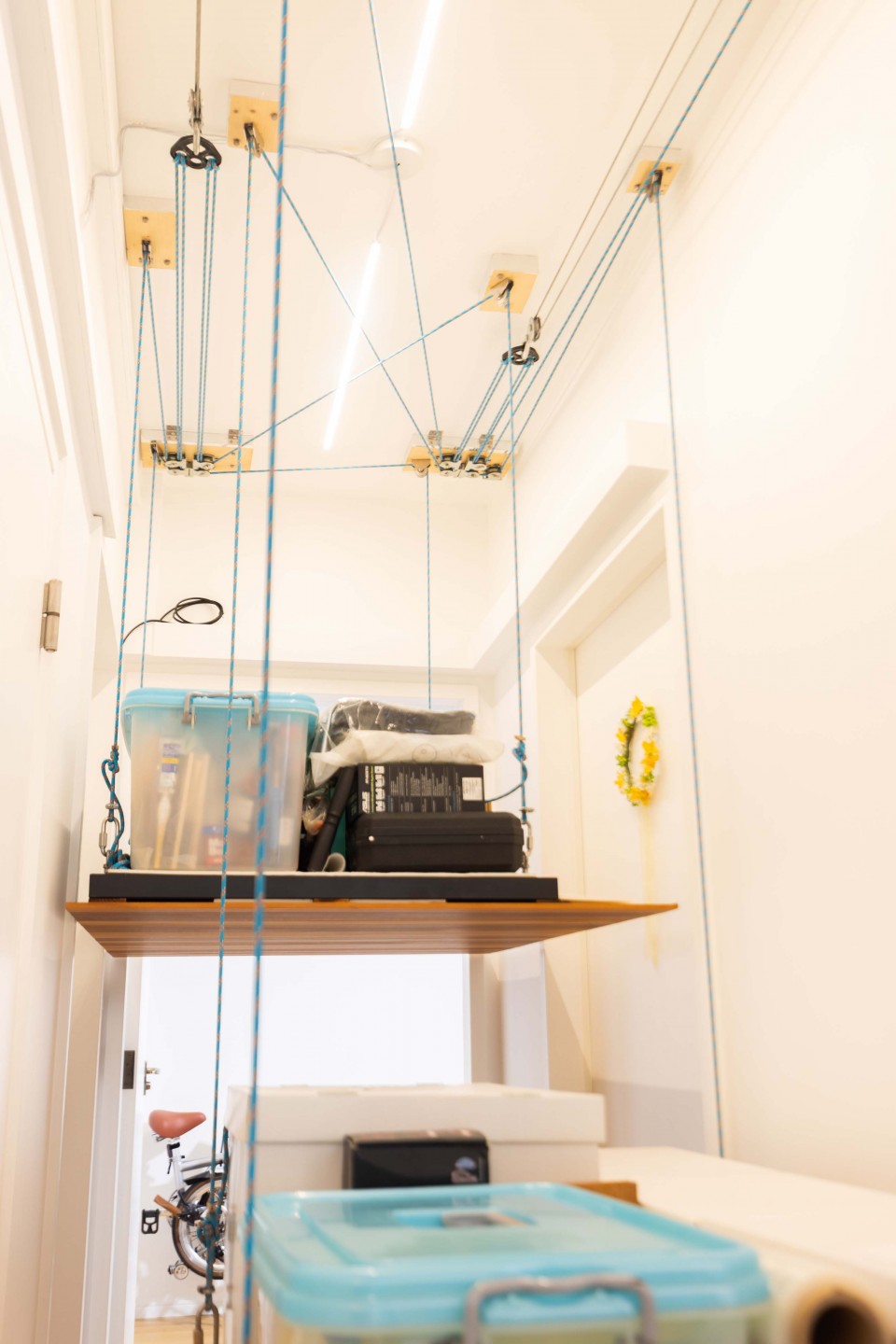
His most inventive solution, however, sits in a place few homeowners think to look. Along the ceiling of the corridor outside the bedrooms, what used to be the “deadest dead space” in the flat now holds storage lifts operated by a pulley system similar to those used in garages.
“This is no doubt one of the most challenging things I’d ever done,” he said. “I spent a lot of time integrating the two pulley systems side by side, and burnt a lot of calories drilling the ceiling.”
The overhead compartments store items the couple does not need every day, such as toolboxes, camping gear and extra household supplies. This frees up the household shelter, which many owners use as a storeroom, to become a hobby room instead.
“I felt that the enclosed airtight home shelter being used as a storeroom for household supplies, which many owners are doing, is a waste of its potential.”
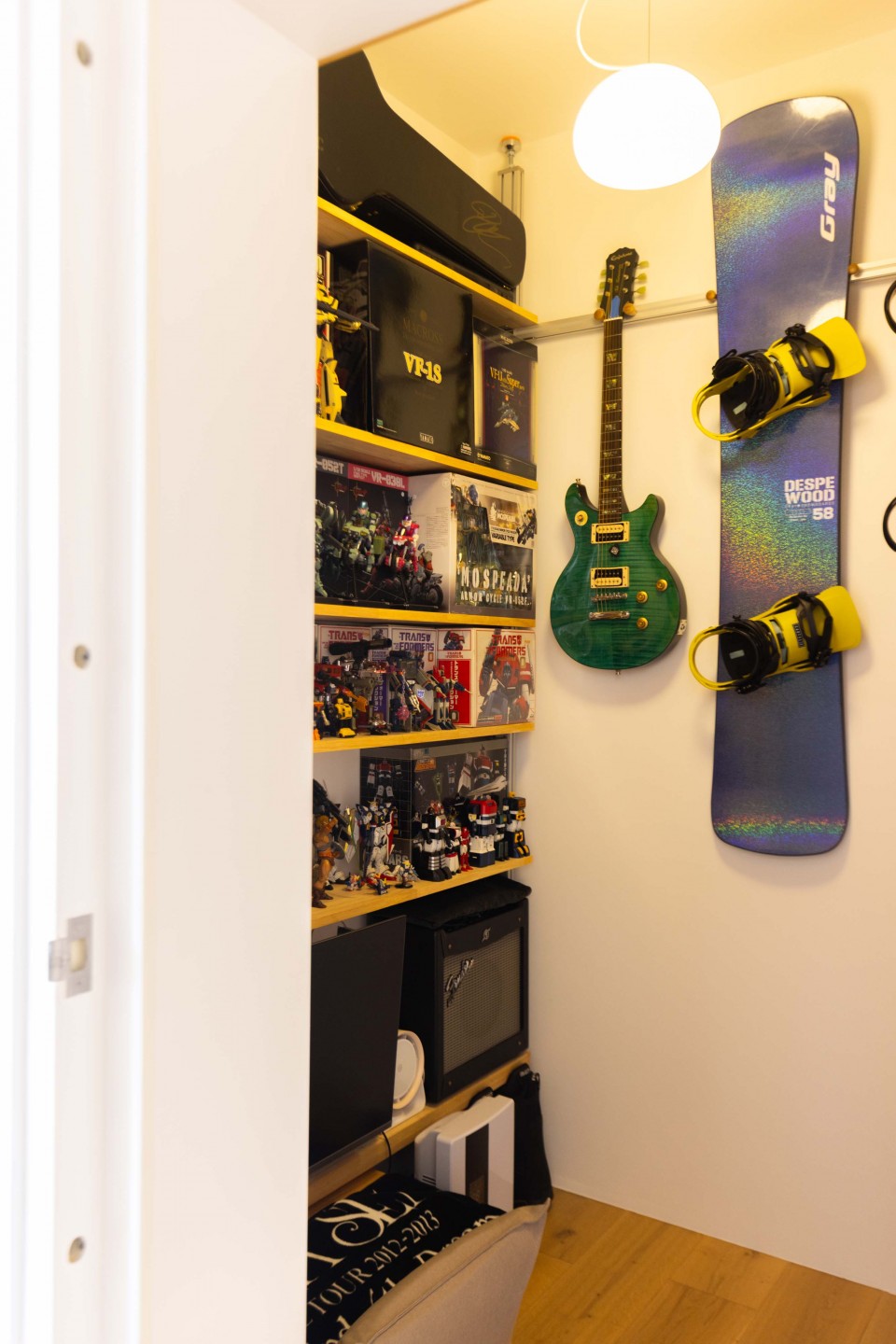
Equipped with a dehumidifier, the room becomes a dry space for moisture-sensitive items such as collectibles and musical instruments. Its thick concrete walls also allow Den to practise without disturbing neighbours, with a fan running for ventilation.
Turning rooms inside out
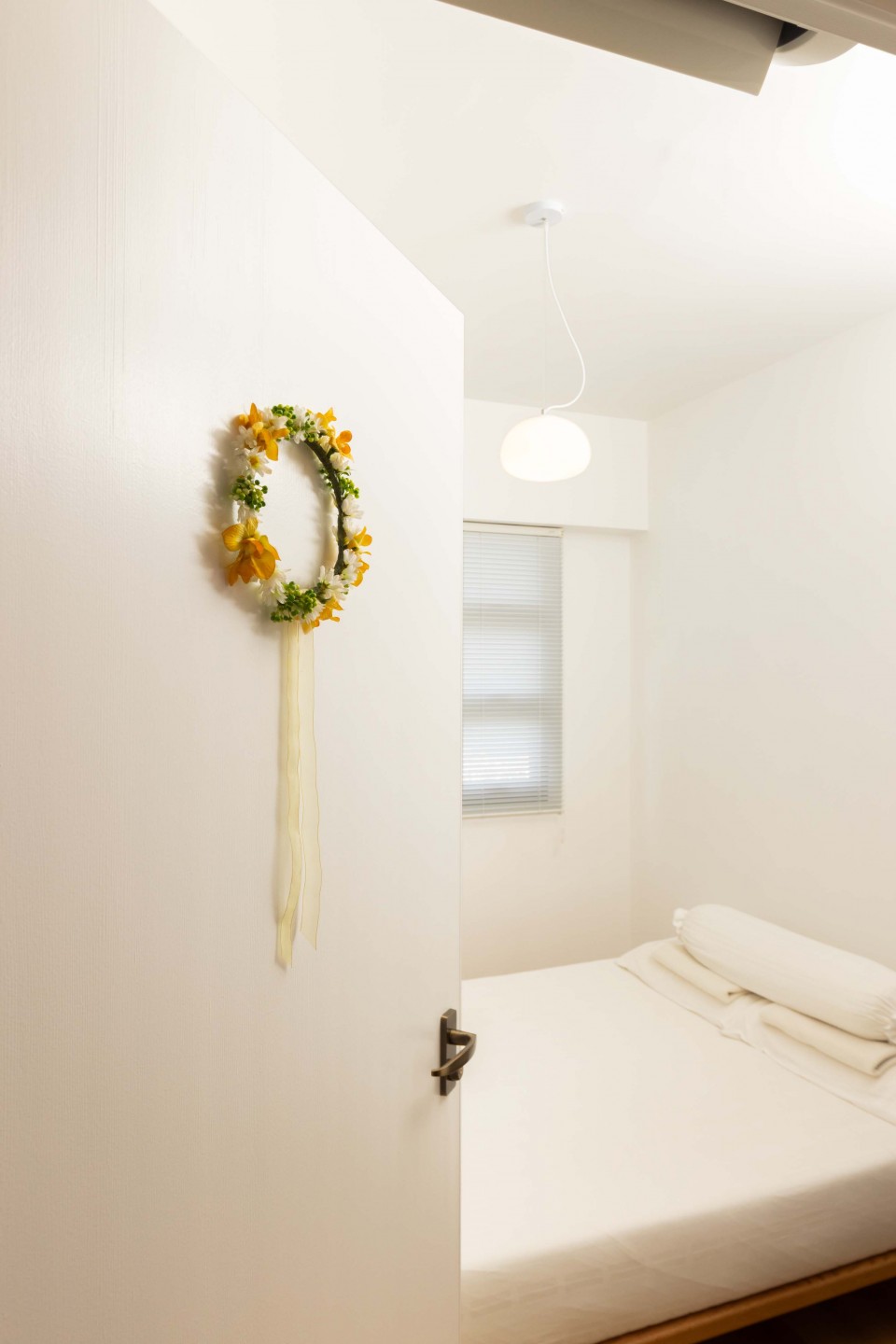
Because Den has allergies and avoids sleeping near his clothes, he didn’t need a large master bedroom and chose to sleep in the common bedroom instead. The absence of an en-suite bathroom wasn’t an inconvenience; he saw it as a way to avoid disturbing his partner when he wakes up earlier to get ready.
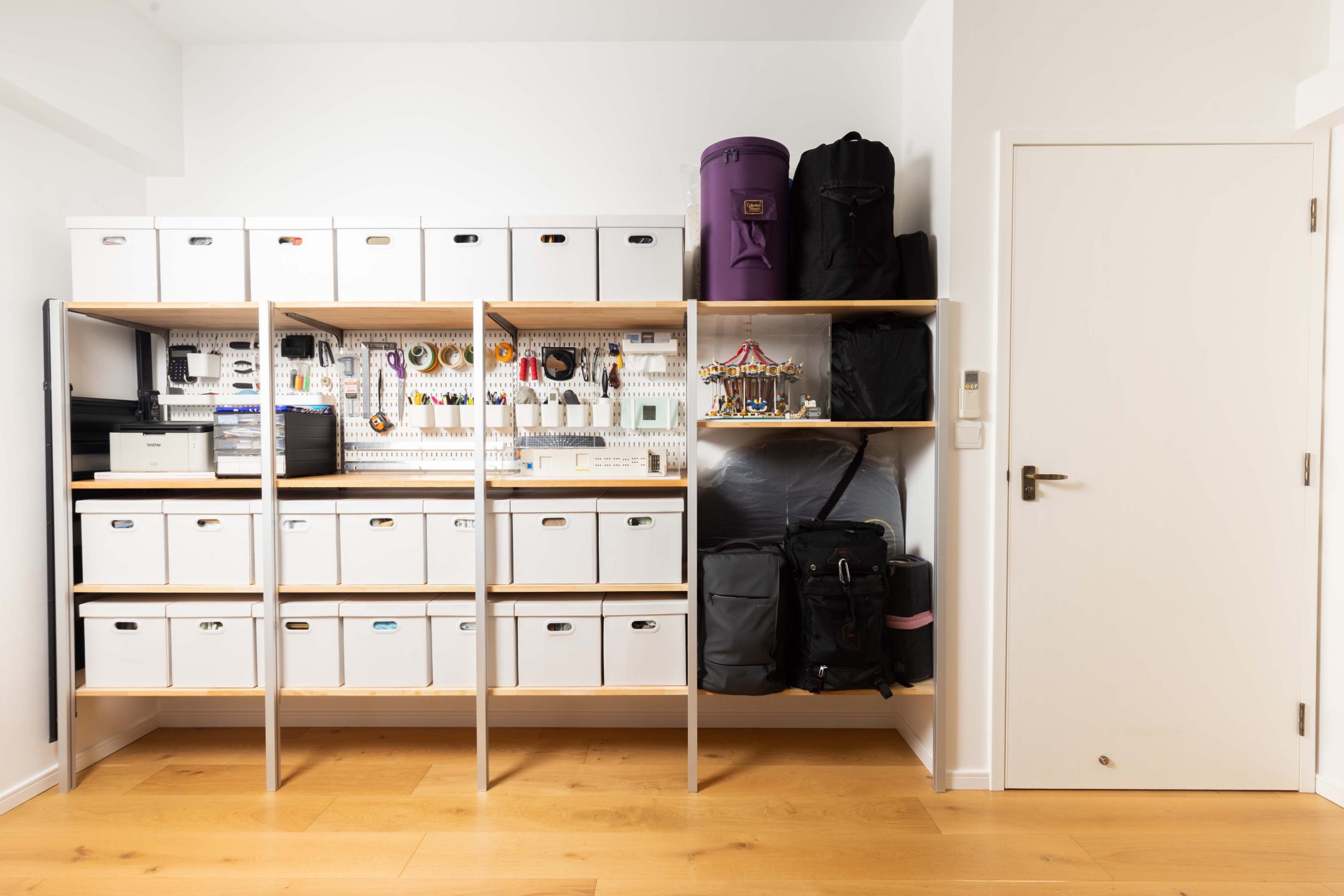
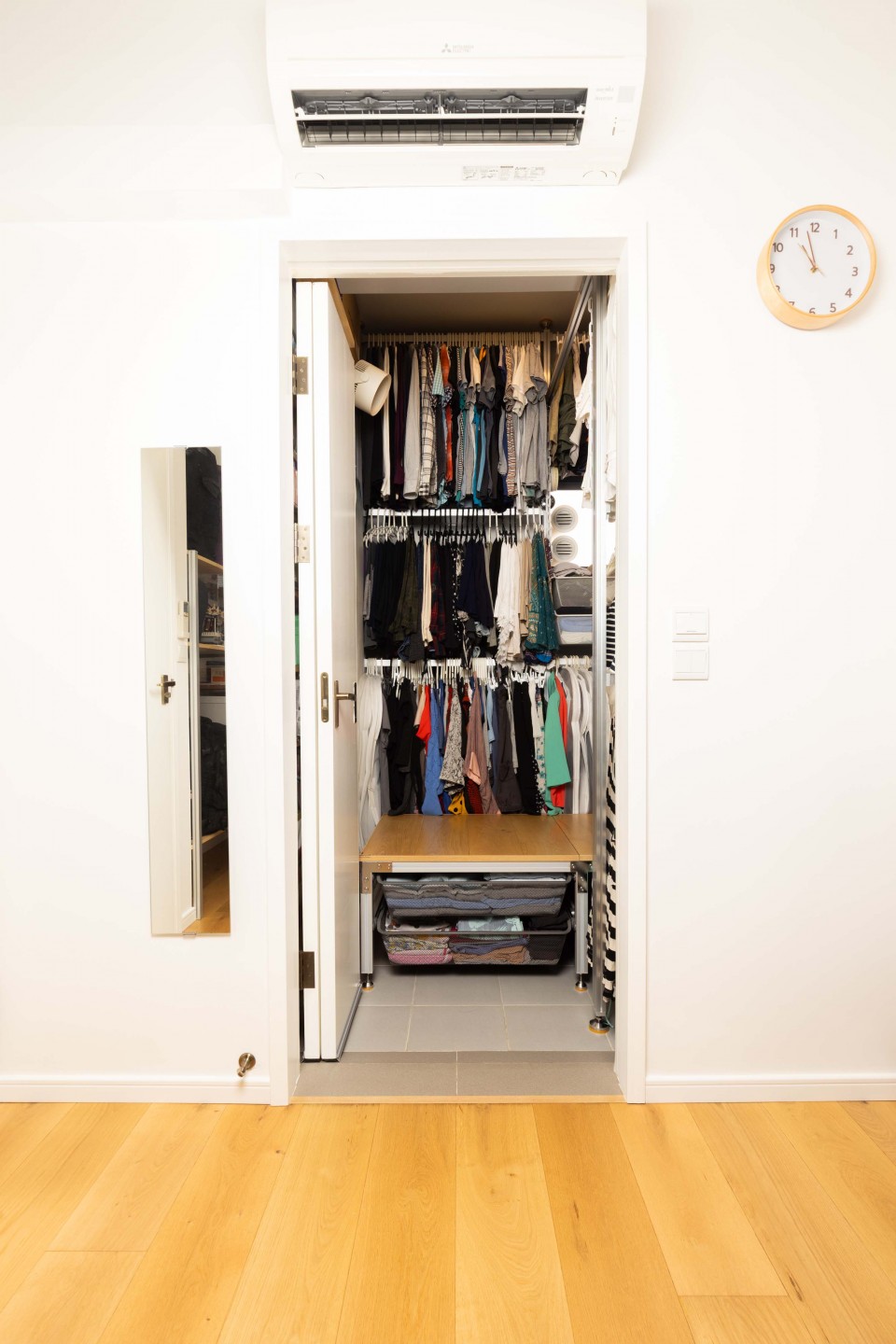
He converted the original master bedroom into a multi-purpose room that functions as a home office, gym and storage space. Here, the wardrobe has been relocated to an unexpected corner: the master bathroom.
“Since it’s just the two of us, having two bathrooms felt like an inefficient use of space,” he said.
The former bathroom is now a compact walk-in wardrobe built with aluminium extrusions, the same system used for the kitchen cabinets. The structure can be dismantled easily if the couple ever decides to reinstate the bathroom.
“The small wardrobe is maximised by having the clothes hang right up to the ceiling, which can be reached without a stool by standing on the drawer basket unit acting as a platform.”
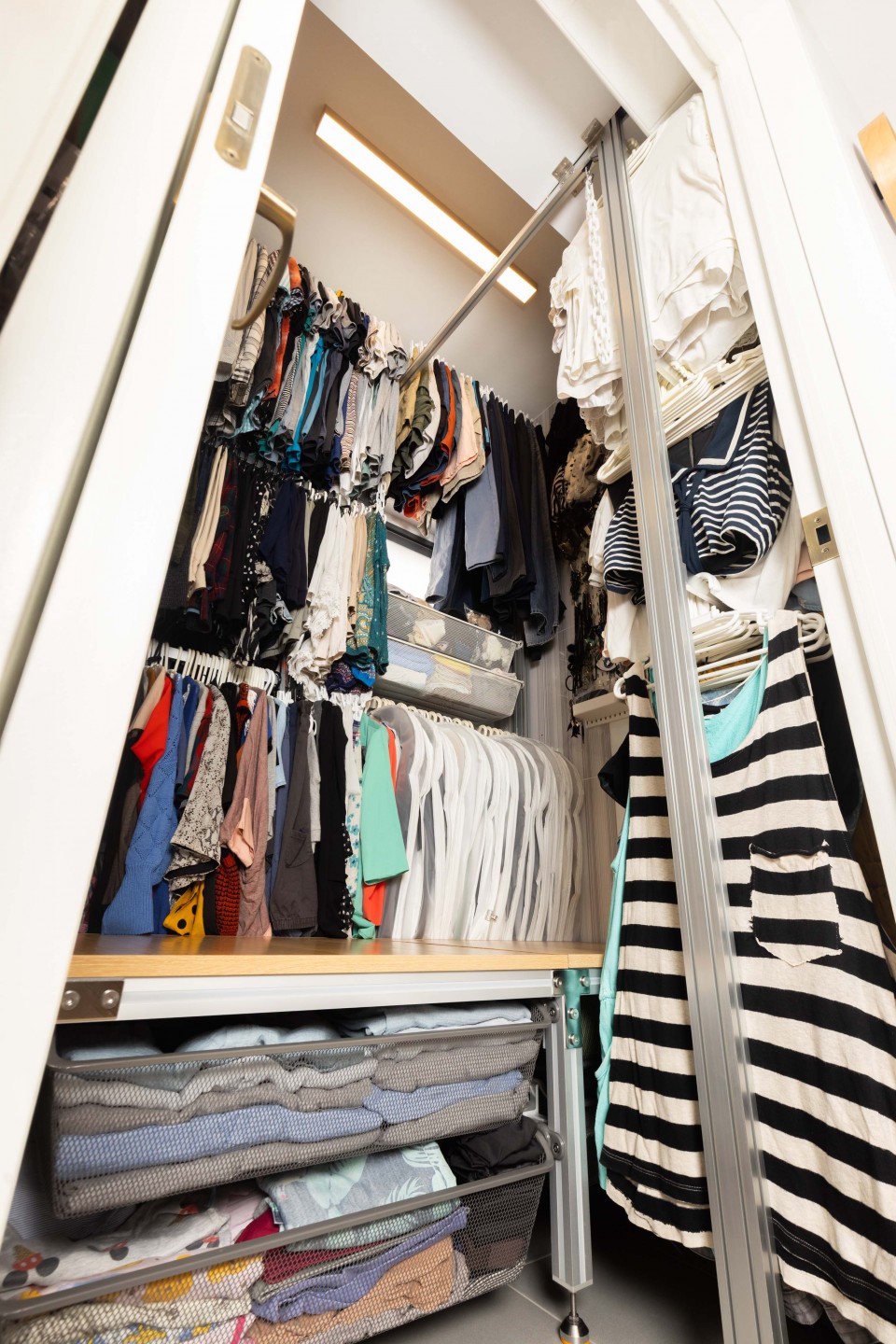
To keep out dust and pests, he replaced the original ventilation window with a fixed acrylic panel, frosting it for privacy while still allowing light to pass through. As a final touch, the toilet flush was discreetly relocated to the service yard, which now doubles as a pet bathroom and remains accessible even when the air-conditioning is on.
As the spaces began to come together, Den was struck by how good the finished home looked. Up to that point, he had been so absorbed in engineering one solution after another that he had barely given the aesthetics a thought, making the moment of revelation all the sweeter.
“Seeing the completed home firsthand was an indescribable feeling, and I’m glad that experience wasn’t spoiled by rendering.”
Getting real
Since Den’s video of his self-renovation journey went live on YouTube, it has received over half a million views. One comment says it all: “I can’t even assemble a table without breaking a sweat, and you renovated the entire house by yourself.”
“I’m just glad to be able to inspire many homeowners,” he said. “Maybe they’ve been thinking of doing the same, but thought it was impossible as they’ve never seen any Singaporean homeowner do it.
Not captured in the 33-minute video, however, are the countless hours and physical labour behind the renovation. A DIY project of this scale, he cautions, should never be undertaken as a way to save money.
“The enormous amount of time and effort that goes into planning, designing, sourcing, solving stressful situations, and risking injury is absolutely not worth it,” he said.
“But if you have an enterprising spirit and enjoy learning new life skills, the sense of satisfaction and pride is immeasurable.”
From planning to execution, watch Den’s entire DIY renovation journey unfold on YouTube.
Words by Joyce Yang, originally published in SquareRooms March 2026 Issue



