Ask most homeowners what they look for when choosing tiles, and the answer is often the same.
Colour. Whether it is a warm travertine-inspired surface, a dramatic marble look, or a handmade ceramic finish spotted on social media, colour tends to be the first thing that captures attention.
Yet after speaking with designers and material specialists at Hafary, it is clear that colour is often only one part of a much larger conversation. Before recommending a particular tile, designers evaluate how it will function within a space, how it interacts with light, how it feels underfoot, and whether it supports the way the homeowner lives.
After all, unlike furniture or décor, tiles are one of the few elements in a home that are difficult and costly to replace once installed.
This is why experienced designers often look beyond colour and focus on six key considerations.
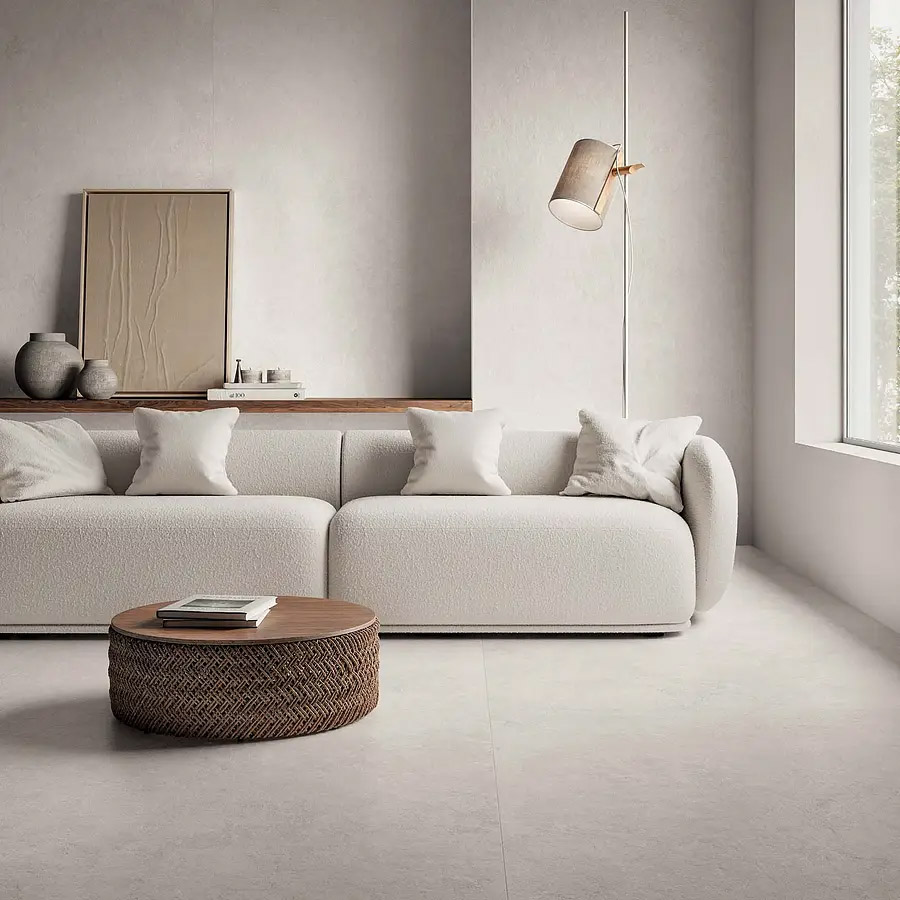
Midi tile collection by Flaviker
1. Scale
One of the biggest misconceptions in renovation is that larger tiles are only suitable for larger homes.
In reality, larger-format tiles can often make compact spaces feel more open and seamless. With fewer grout lines interrupting the eye, rooms appear less cluttered and visually expanded.
Conversely, smaller formats may be chosen to introduce detail, texture or a more intimate character to a space.
The right scale depends not only on the size of the room, but also on the atmosphere the designer hopes to create.
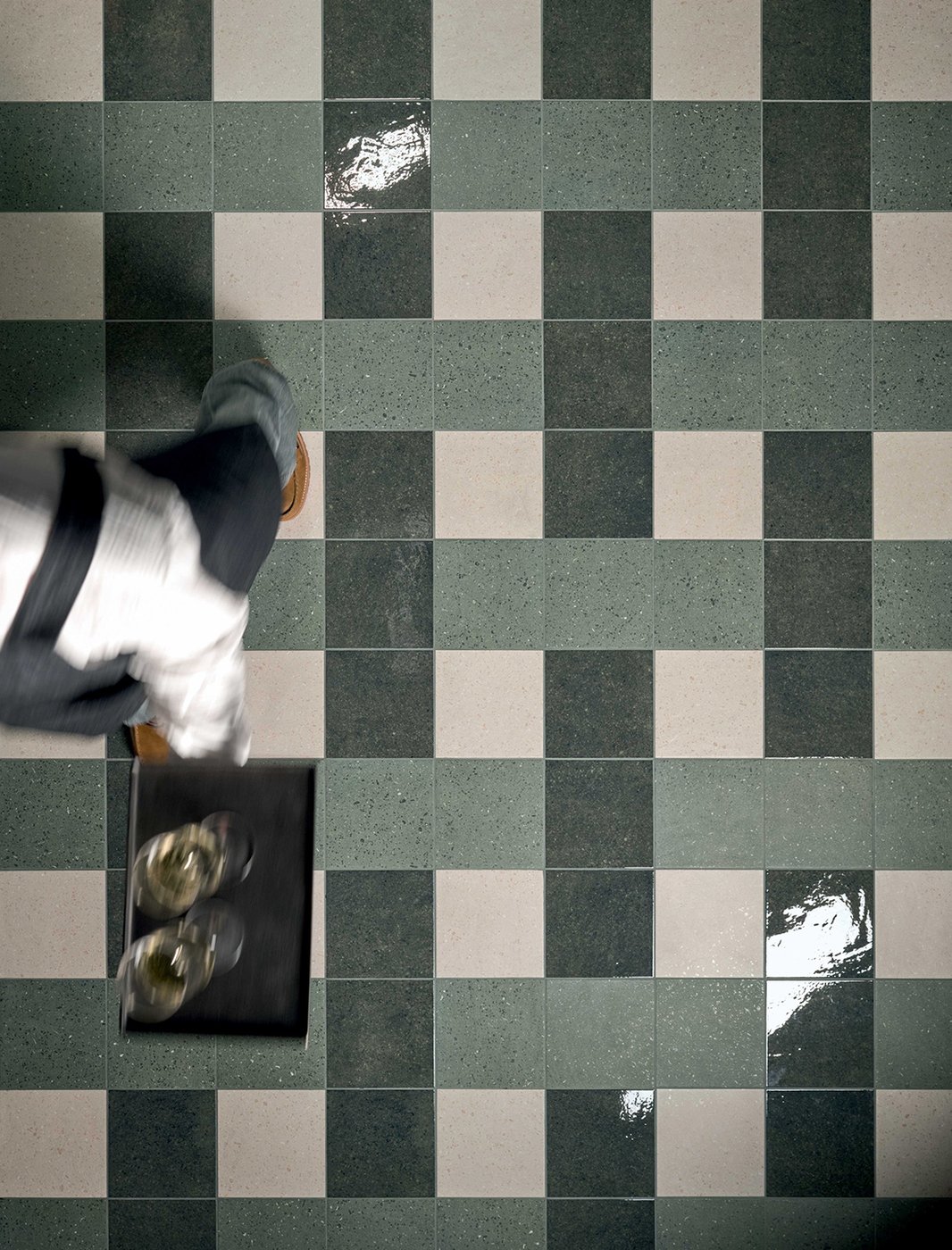
Terrasale tile collection by Marca Corona
2. Finish
A tile’s finish influences far more than its appearance.
Polished surfaces reflect light, creating a brighter and often more formal environment. Matte finishes absorb light more softly, contributing to a calmer and more relaxed atmosphere.
As homes become centred around comfort and experience, matte and textured finishes are gaining popularity for the depth and tactility they introduce to everyday living.
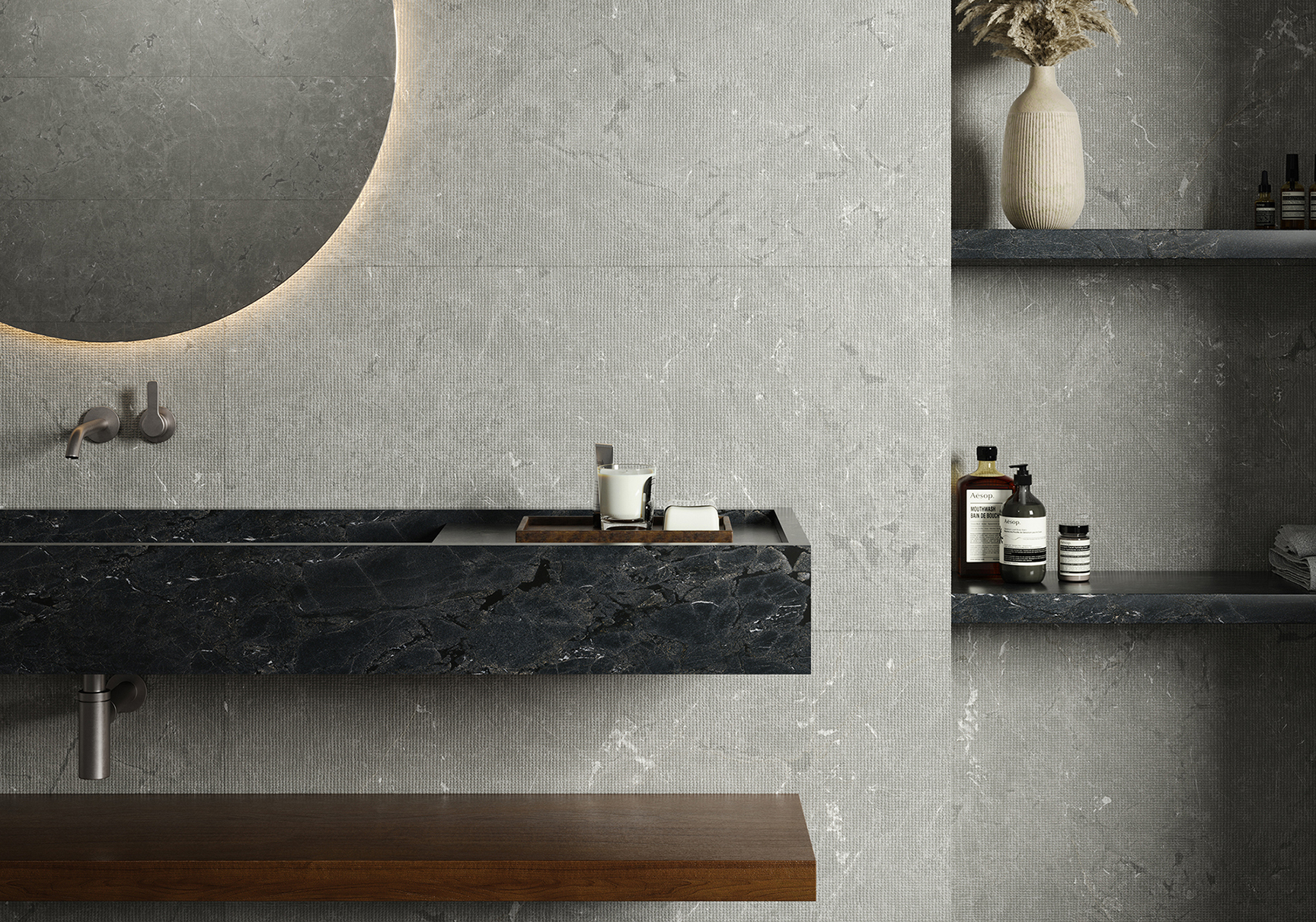
Neeko tile collection by Azuvi
3. Texture
Designers are turning to texture as a way to add character and dimension to a home.
A subtle stone texture, handcrafted surface, or tactile finish can introduce richness without relying on bold colours or patterns. It is often texture, rather than colour alone, that gives a space its sense of depth and personality.
This is particularly relevant today as homeowners seek interiors that feel more layered, lived-in and emotionally comforting.
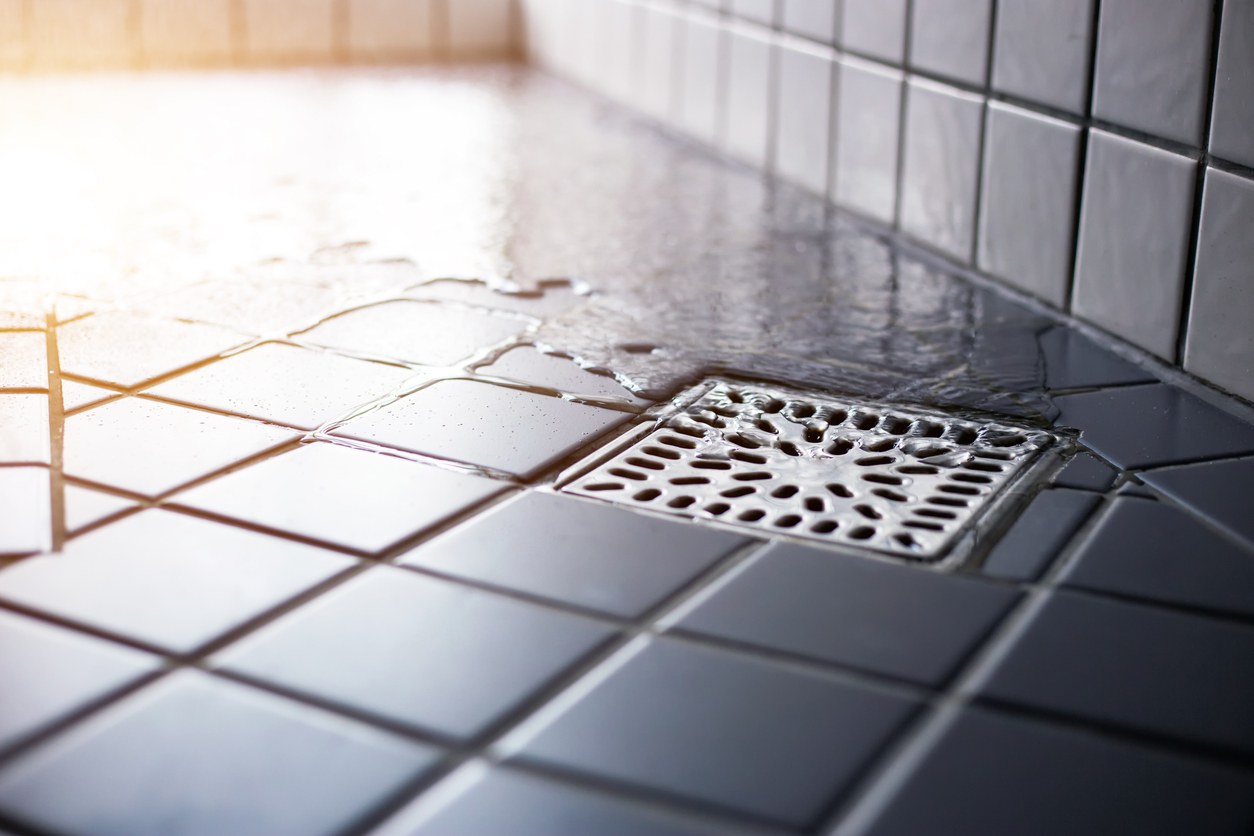
4. Slip Resistance
In wet areas such as bathrooms, kitchens and outdoor spaces, aesthetics must be balanced with practicality.
Slip resistance remains one of the most important factors designers consider when selecting tiles for these environments. A beautiful tile may not necessarily be the most appropriate choice if it compromises safety.
This is where professional guidance becomes particularly valuable, helping homeowners understand the differences between various tile applications and performance requirements.
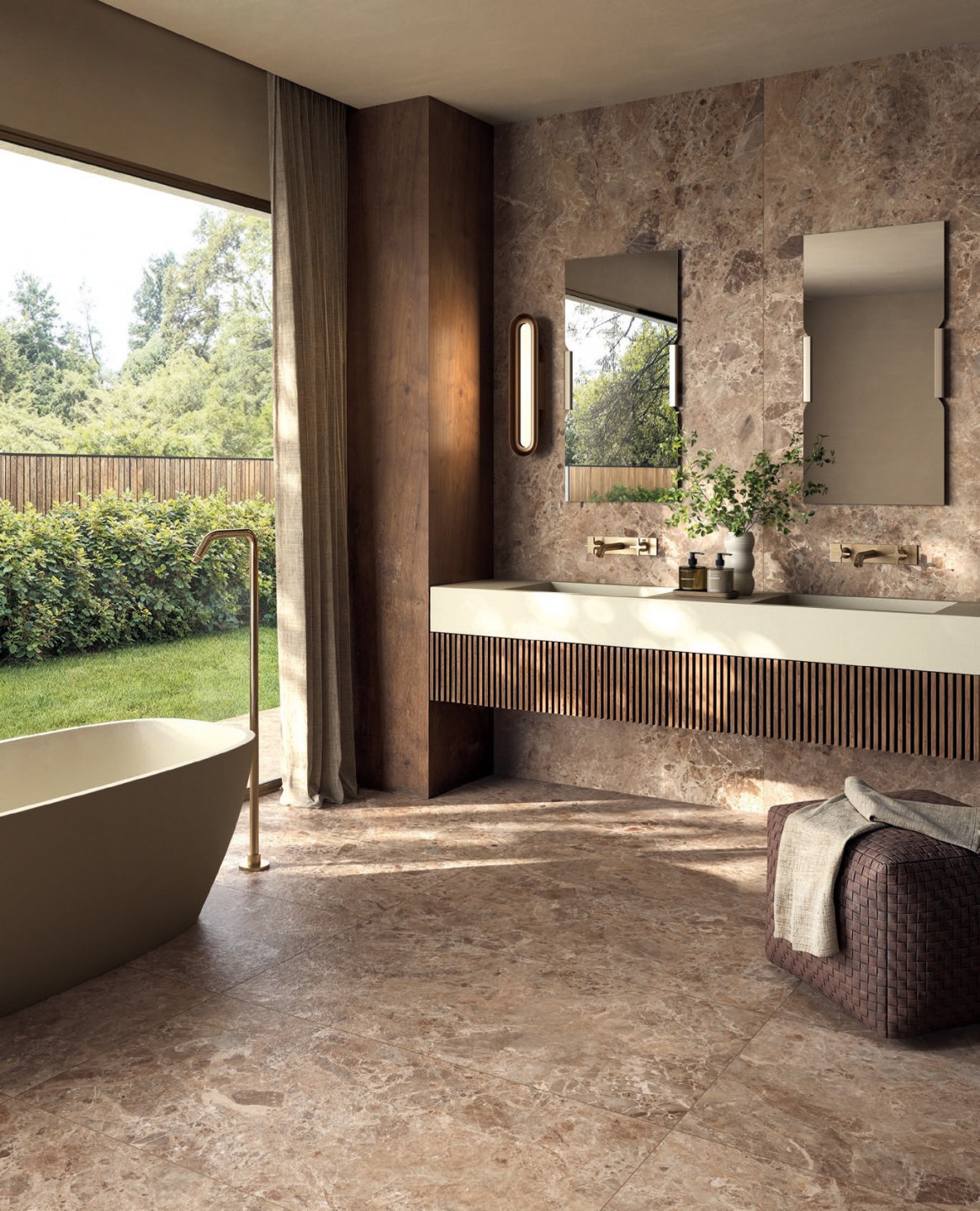
Breccia Paradiso collection by Due.G
5. Lighting Conditions
A tile rarely looks the same in every setting.
Natural light, artificial lighting and even the orientation of a room can significantly influence how a surface is perceived throughout the day.
A tile that appears warm and inviting in a showroom may feel entirely different under cooler lighting conditions at home.
For this reason, designers often recommend viewing materials in person before making a final decision.

6. Frequency of Use
Not every space in a home is used in the same way.
A kitchen, for example, has very different requirements from a guest bathroom. While kitchen surfaces must withstand frequent cooking, spills and daily wear, a decorative feature wall is often selected primarily for visual impact.
Understanding how a space will be used helps designers select materials that not only look good on day one, but continue to perform well for years to come.
More Choice Requires Better Guidance
As renovation inspiration becomes increasingly accessible through social media, homeowners today are exposed to more material options than ever before. While this opens up exciting design possibilities, it can also make decision-making feel overwhelming.
This is where having access to a broad and well-curated material selection becomes valuable. With Hafary’s extensive range of tiles, surfaces and finishes, homeowners can explore different colours, formats, textures and applications across multiple design styles and requirements.
Whether designing a contemporary apartment, a family home or a hospitality-inspired retreat, the ability to compare materials side by side helps bring greater clarity to the selection process.
To further simplify the journey, the Hafary App allows users to browse collections, save favourites, compare options and organise specifications in one place, making it easier to manage decisions from inspiration through to renovation.
Because while colour may be what first catches the eye, the best tile choices are rarely about colour alone.
View this post on Instagram
To see these principles in action, explore how Story Of Us founder Mei uses Hafary tiles to create distinct moods throughout a home while maintaining a cohesive and considered design language.


