There has never been more design inspiration at our fingertips. Yet behind every successful renovation is a level of technical expertise, problem-solving and on-site experience that homeowners rarely see. As the renovation industry continues to evolve, so too must the designers leading it. We speak to Benjamin Toh, founder of M2Decor, about bridging the gap between design education and real-world practice, and why building better designers starts with building stronger foundations.
Over the past few years, how have you seen the expectations of Singapore homeowners evolve when it comes to interior design?
Homeowners today arrive far more prepared than they did five or six years ago. They’ve spent time on Pinterest, watched renovation content on YouTube, and followed designers on Instagram. By the time they attend their first consultation, many already have saved references, specific material preferences, and sometimes even rough layout ideas in mind.
That’s actually a positive shift because it raises the level of conversation. But it also means designers can no longer rely on surface-level advice. Clients are more informed now. They’ll question why a particular material is being specified, or whether a layout genuinely maximises their space. The standard for what counts as professional guidance has moved up considerably.
What are some common mistakes you notice when inexperienced designers work with colours or textures?
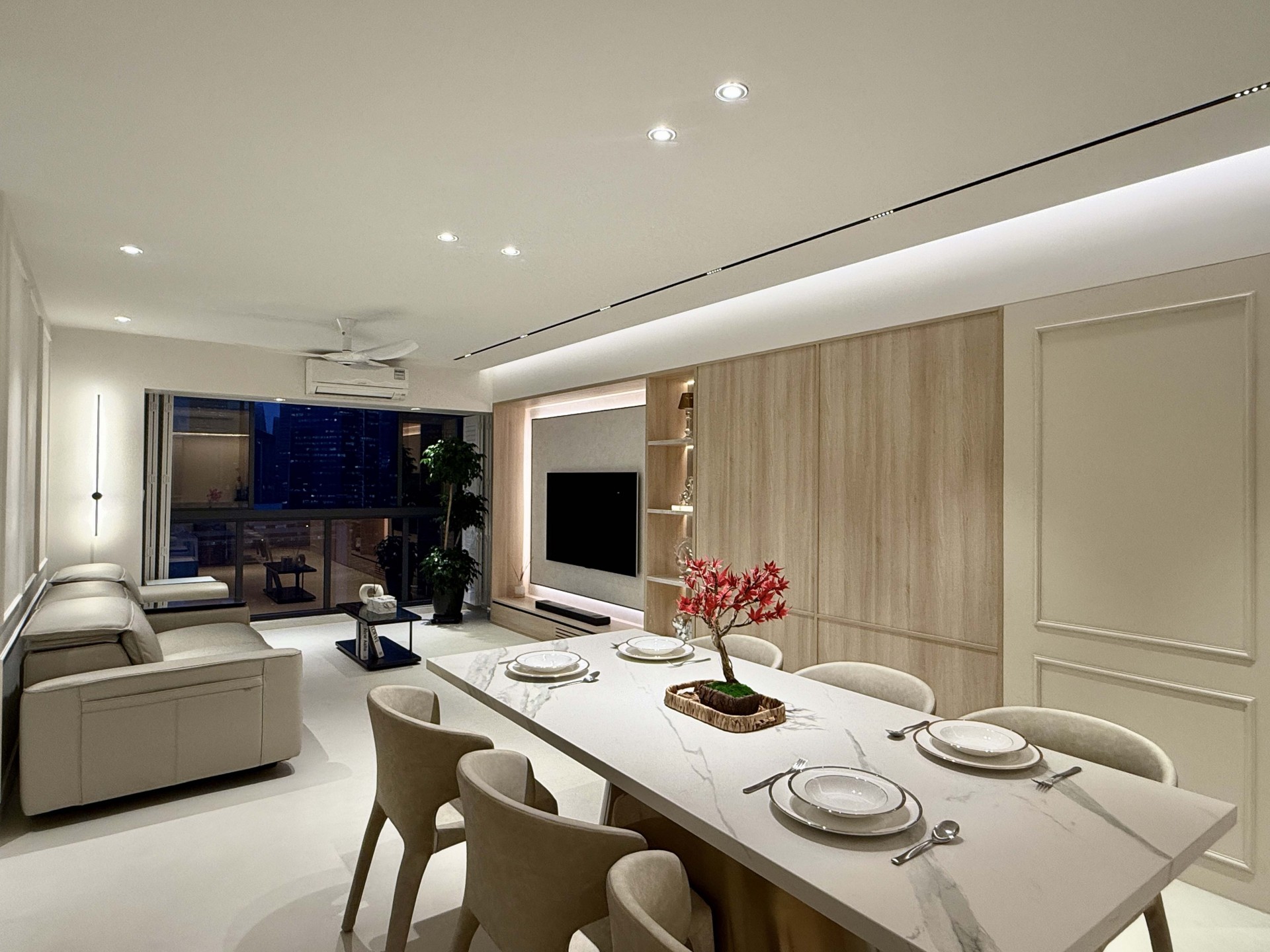
One common mistake is treating colour and texture purely as decorative elements rather than spatial tools. A young designer might select a beautiful stone finish for a feature wall because it looks impressive in a showroom, without considering how it behaves under the homeowner’s actual lighting conditions or how it works alongside the flooring already selected.
Another issue is over-layering. Sometimes every surface is trying to make a statement, and as a result, nothing feels cohesive. Good material selection is really about restraint and sequencing. You need to decide what carries the visual weight, while the other elements quietly support it.
The renovation and interior industry has been growing rapidly, but many firms still mention challenges finding good talent. Why do you think this gap exists?
A large part of it comes down to the gap between what design school teaches and what the industry actually demands. Schools naturally focus on concepts, composition, and presentation, which are important foundations. But site work operates on a completely different language.
Reading architectural drawings, coordinating with contractors, understanding sequencing, and identifying clashes before they become costly mistakes are all skills that require real exposure. Most graduates enter the workforce without enough experience in these areas.
There’s also an expectation mismatch. Some people enter the industry imagining it to be mostly creative work, only to realise that much of the job revolves around project management, client communication, and problem-solving under pressure. The designers who thrive tend to be the ones willing to stay curious and spend time on site, not just behind a desk.

Project Blue Horizon by M2Decor
How important is site experience andhands-on exposure for someone enteringthe design industry?
In my view, it’s essential. You can produce a technically correct drawing and still make decisions that don’t work in reality. Site exposure teaches things that no classroom fully can.
You begin to understand how a space actually feels at different stages of completion, how contractors interpret drawings differently from designers, and where installations commonly fail and why. Once junior designers spend enough time on site, they start developing a stronger spatial instinct that changes how they approach design altogether.
At M2.D, we make it a point to bring our designers to site regularly because we believe the quality of thinking in the office is directly connected to how much they’ve experienced outside of it.
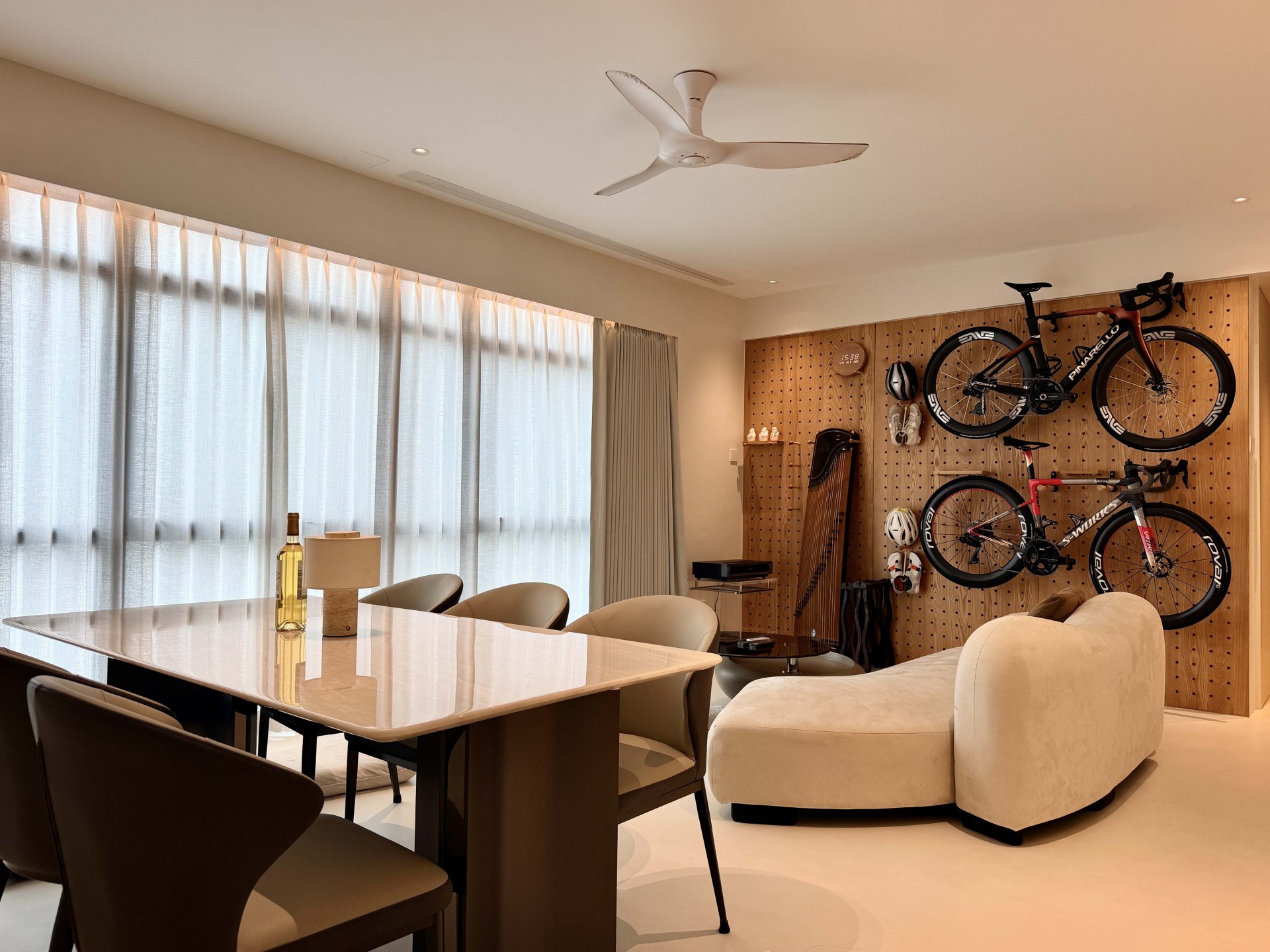
Project Blue Horizon by M2Decor
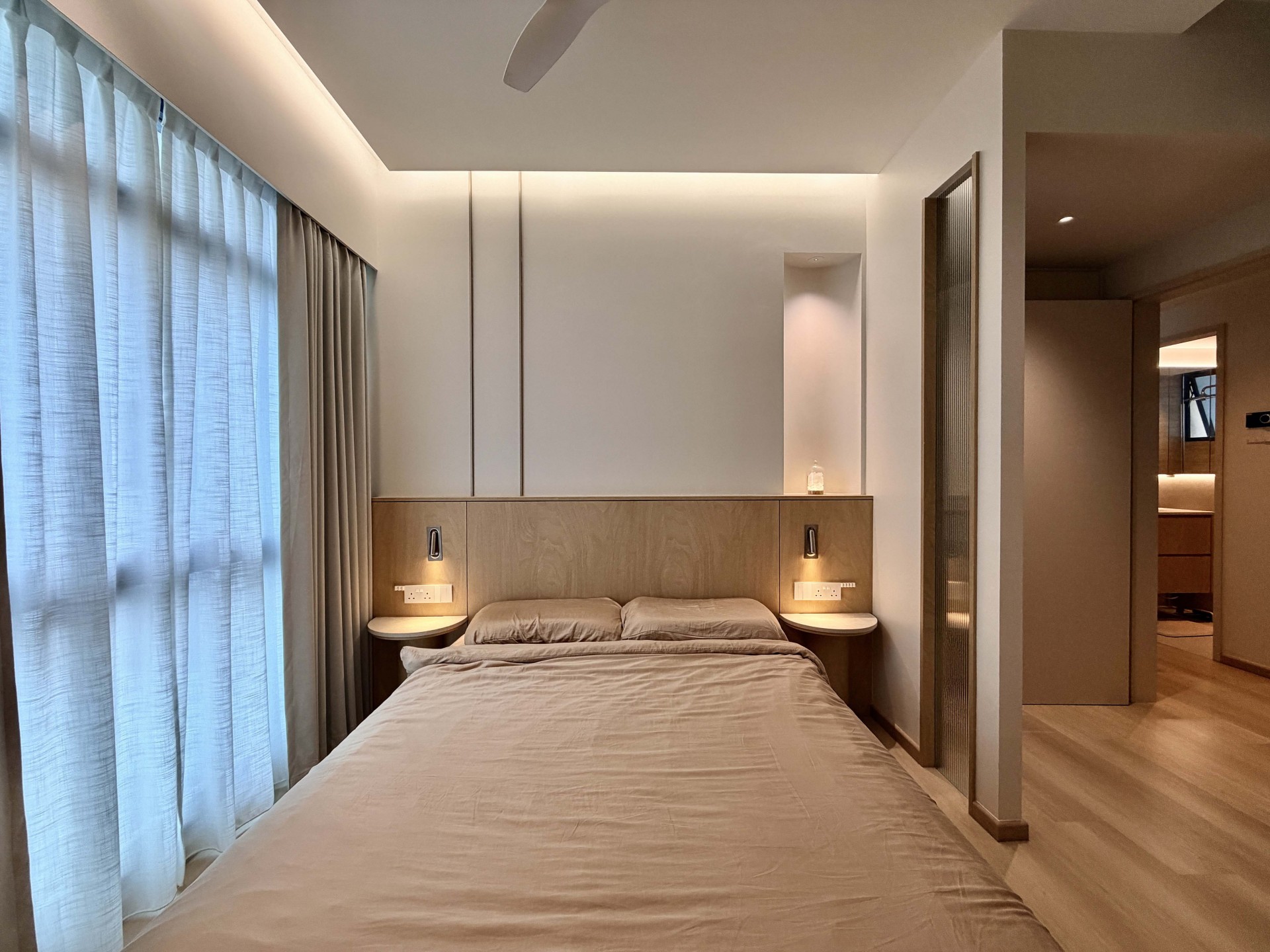
Project Blue Horizon by M2Decor
At what point did you realise there was a need to guide or mentor aspiring designers more intentionally?
It happened gradually. Over the years, I started noticing recurring questions from younger designers, whether they were working with us or reaching out through the industry. Interestingly, the questions were rarely about aesthetics.
Instead, they were about fundamentals: how to read a contract, how to sequence a renovation properly, or how to manage a client who has gone off-brief. These are things experienced practitioners treat as common knowledge, yet they are rarely documented or taught systematically.
Over time, it started feeling less like a talent issue and more like a knowledge infrastructure issue. If no one is building that foundation, the industry as a whole eventually suffers from it.
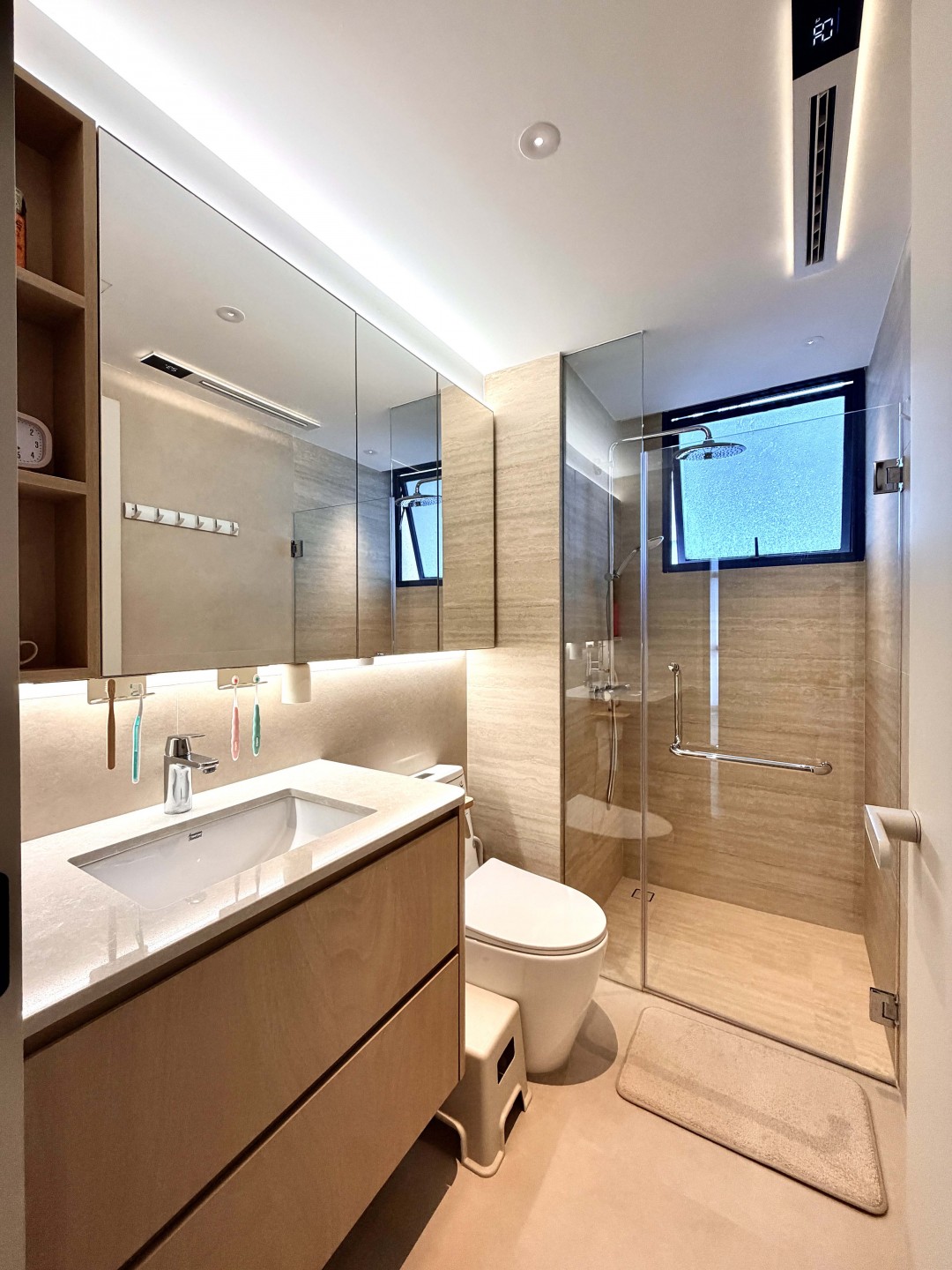
Project Blue Horizon by M2Decor
What motivated you to start thinking about education or sharing your knowledge with others in the industry?
A lot of it is personal. I benefited greatly from people who were willing to share their knowledge with me at the right moments in my career. The industry doesn’t always have a strong culture of mentorship, and I think that shows.
Knowledge often stays within firms, and even internally, it isn’t always passed down in a structured way. At the same time, homeowners today are becoming increasingly sophisticated, which means the standard of practice needs to evolve alongside them.
If we’re not actively raising the level of knowledge within the industry, we’ll continue seeing preventable mistakes, from poor design decisions to renovations going over budget or timeline unnecessarily. Sharing knowledge feels like one practical way to improve that.
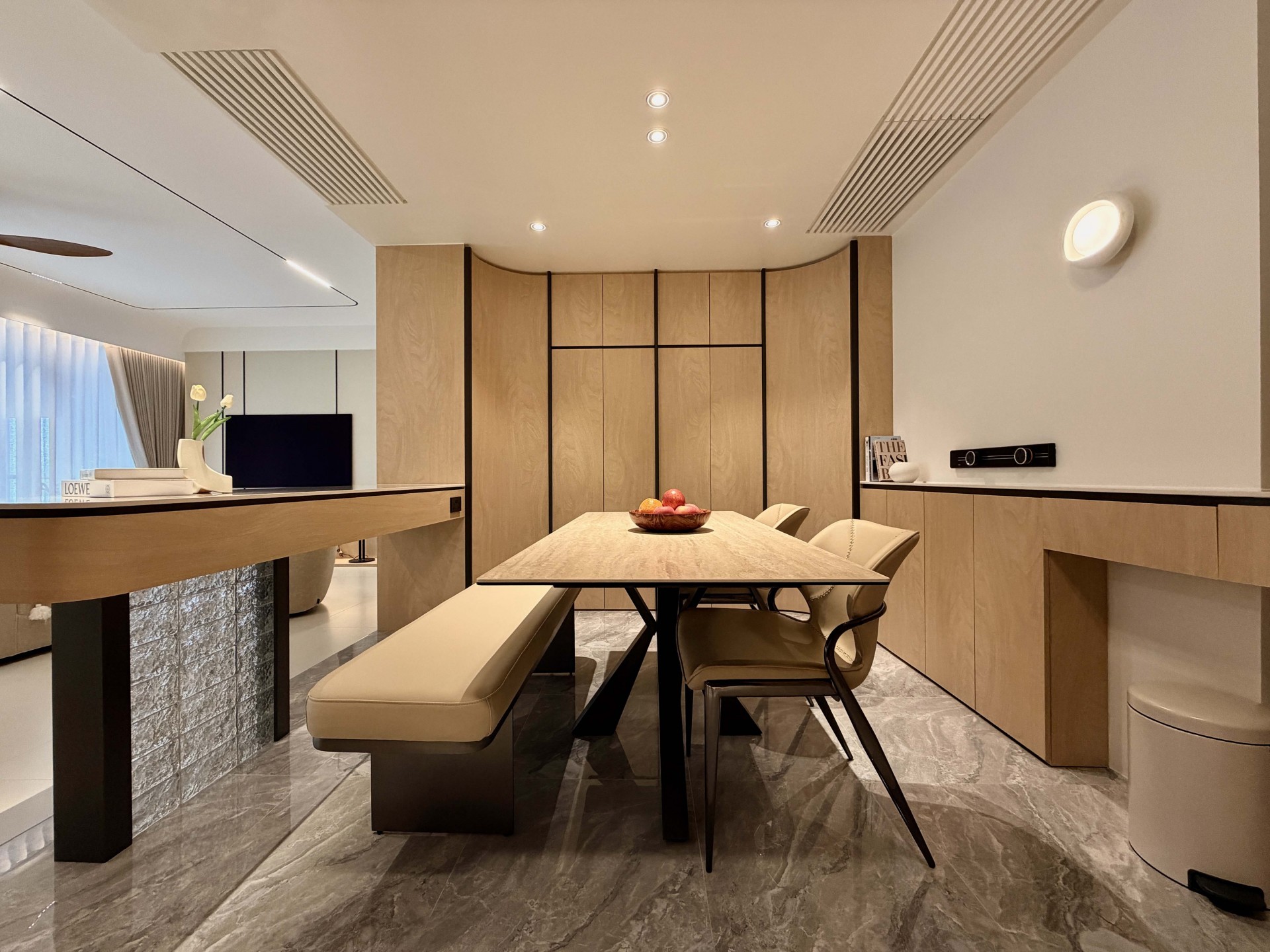
Project Waterbank by M2Decor
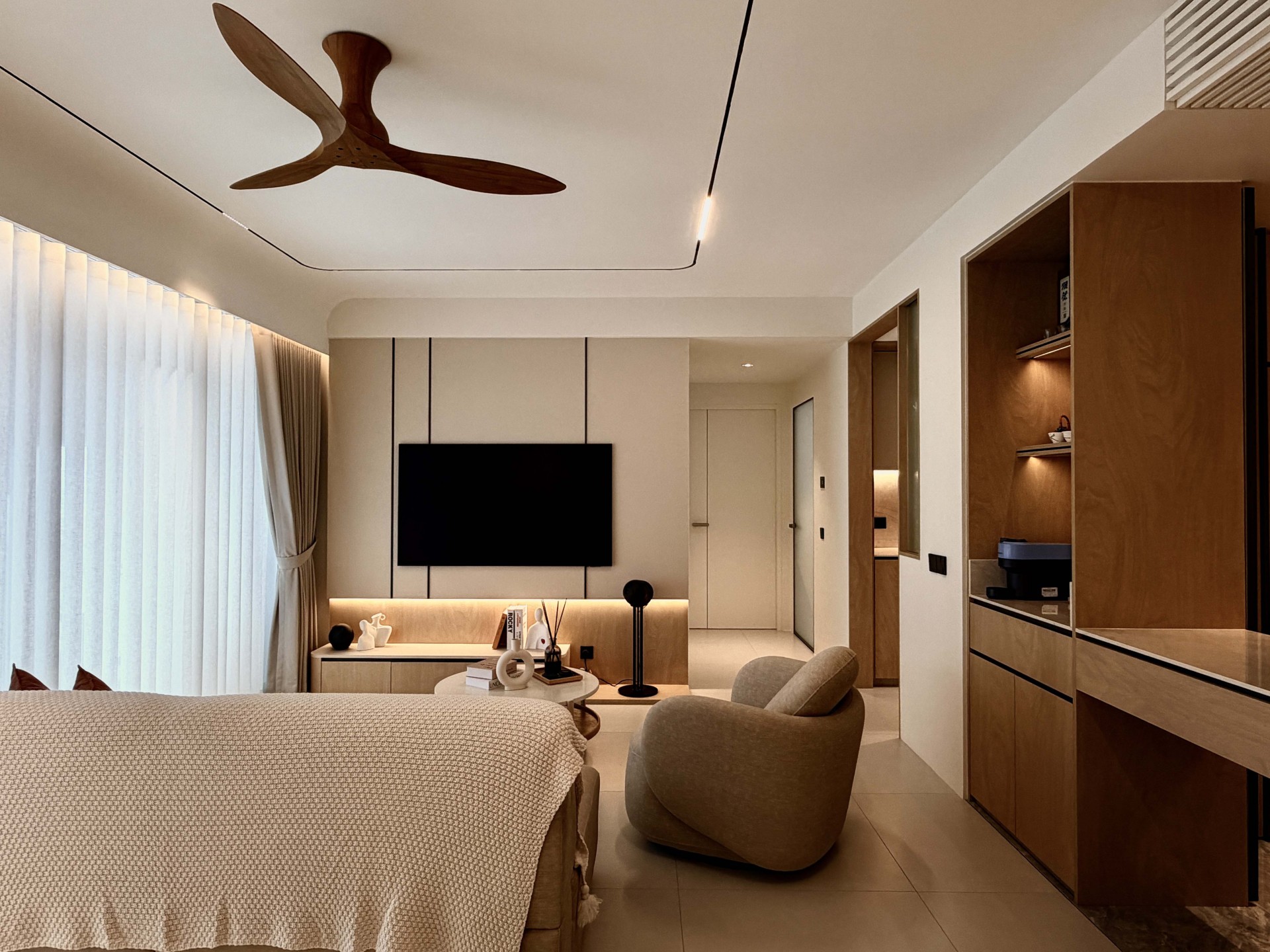
Project Waterbank by M2Decor
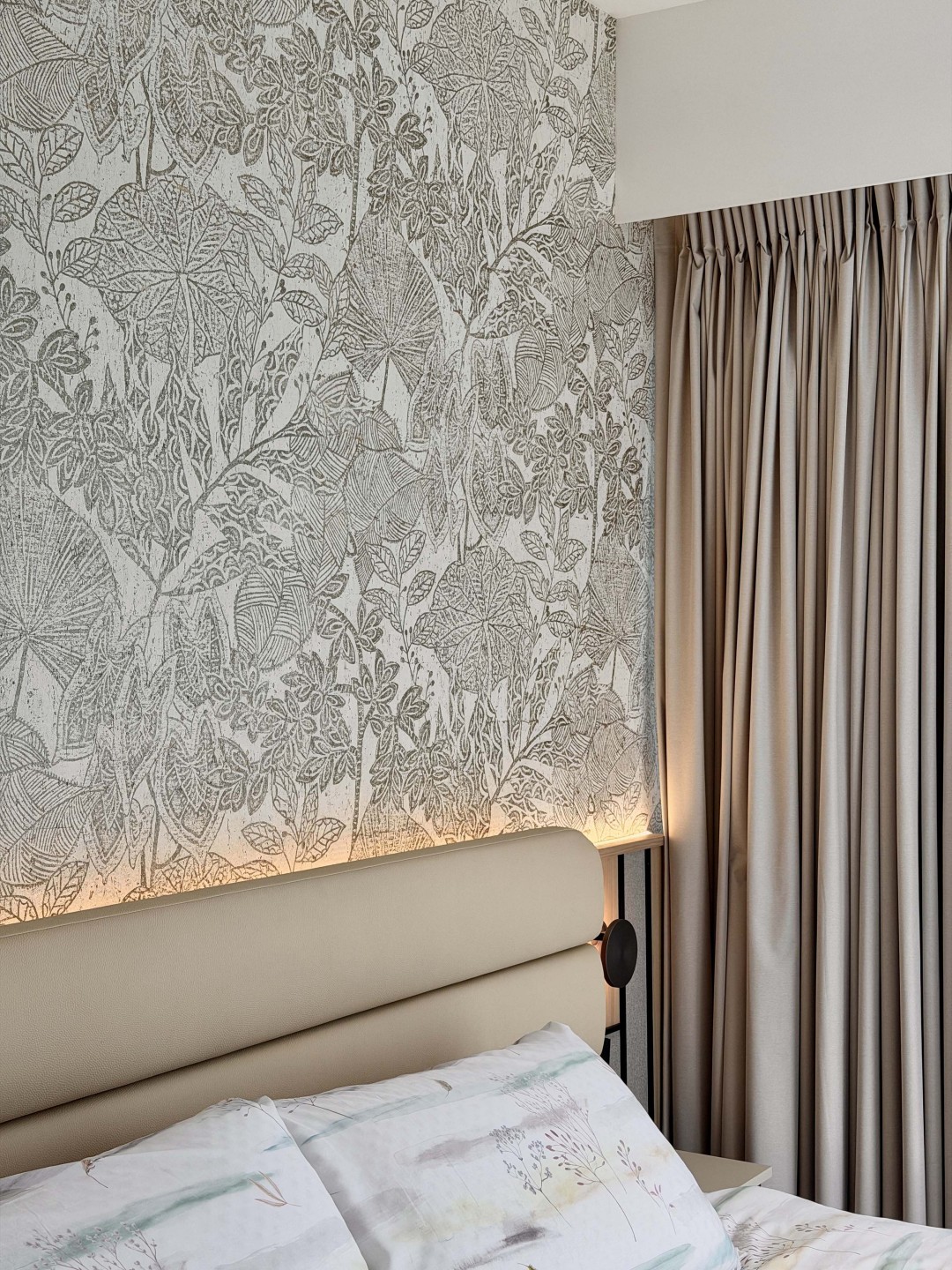
Project Waterbank by M2Decor
What are some things aspiring designers often underestimate about working in the renovation and interiors industry?
The pace of the industry is something many people underestimate. Projects overlap constantly. Clients need answers quickly. Contractors are waiting for instructions, and site conditions can change unexpectedly.
New designers often imagine they’ll have time to sit and think through every problem carefully, but in reality, many decisions on a live project need to be made quickly and with incomplete information.
The other thing people underestimate is how relational the work really is. You’re managing homeowners’ expectations, contractors’ workflows, suppliers’ lead times, and sometimes even property management regulations, all at once. Ironically, the design itself is often the more straightforward part.
Beyond technical skills, what mindsets do you think young designers need to develop to succeed long-term?
Comfort with ambiguity is important. But beyond that, the ability to anticipate problems before they surface is what separates a good designer from a great one.
That instinct comes from knowledge. When you understand renovation sequencing, how materials behave, and how contractors think, you begin spotting warning signs early. Instead of reacting to problems, you’re preventing them before they happen.
When unexpected situations arise on site, you’re also less likely to freeze because you have enough grounding to make informed decisions quickly. Knowledge really is power in this industry. Themore you understand, the more options you have in the moment.
Another important mindset is intellectual honesty. Designers need to know what they don’t know, be willing to ask questions, and avoid masking gaps with false confidence. Clients can sense the difference, and lasting trust is often built through transparency and clarity around trade-offs.
Your upcoming course seems to go beyond just teaching software or technical drafting. What kind of learning experience are you hoping to create?
We want participants to leave with a realistic understanding of how a renovation actually unfolds, from the initial brief all the way to handover.
That means teaching the overall process, the decision-making frameworks behind projects, and the common issues that arise along the way. We’re less interested in producing people who simply know how to operate software, and more interested in helping them understand why certain decisions are made in a particular sequence.
The workshop format is also intentional. We keep the cohorts deliberately small so there’s room for genuine discussion, real-life questions, and applied learning rather than purely theoretical teaching.
What are some practical or real-world insights you hope participants will walk away with?
We hope participants gain a clearer understanding of how to read renovation quotations critically, including what is actually included and what may have been left out.
We also want them to understand how materials behave after installation, not just how they appear in a catalogue, and how to assess whether a proposed layout genuinely supports the way they live rather than simply looking good on paper.
A realistic understanding of renovation timelines and budgets is equally important because it allows people to have more grounded conversations with designers and contractors. These may sound like basic things, but they are often what prevent the majority of renovation regrets homeowners experience.
Who do you think would benefit most from this course, aspiring designers, career switchers, or even homeowners interested in design?
Honestly, all three, but for different reasons.
Aspiring designers gain a more structured foundation that can be difficult to pick up informally. Career switchers get a realistic understanding of what the profession actually involves before fully committing to it.
And homeowners, arguably, stand to benefit enormously as well. A homeowner who understands how renovation works, what questions to ask, and what a good process looks like is far better equipped to protect their own interests. They’re able to evaluate proposals more clearly, identify gaps earlier, and have more productive conversations with their designer or contractor.
That’s something we care deeply about because informed homeowners ultimately make the industry better as a whole.
Looking to learn more? Whether you’re planning your first renovation, considering a career in interior design, or simply want a better understanding of the renovation process, visit M2Decor to explore its design services and upcoming educational workshops.


